

About Us
Superbloom Fund is a women-led collective of changemakers. Together, we have 60+ years of experience in conservation.
Superbloom Fund Story
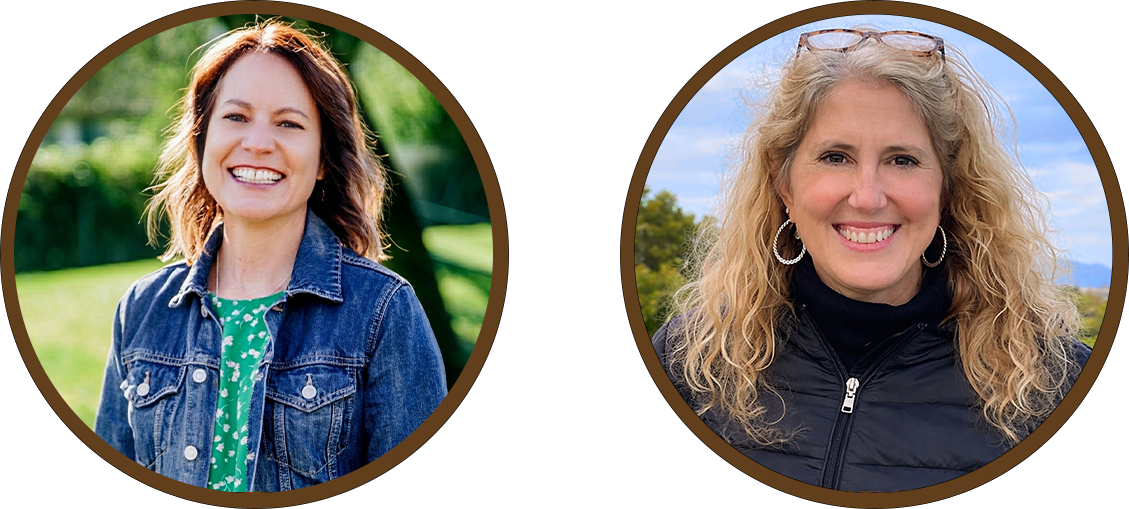
Co-Founders, Kristine Zeigler and Rebecca Kormos, first met on a sunny morning at TomKat Ranch in California in 2019, gathering women leaders in conservation to ask:
-
Out of that question, Planet Women was founded in 2020, with Kristine serving as founding CEO. What began as an idea quickly grew into a global effort—investing over $4.5 million in partner organizations and launching landmark programs like the 100 Women Pathway and the Center for Gender Equity & the Environment.
At the same time, after 30 years as a conservation biologist, Rebecca turned to storytelling to reshape narratives about women and nature. Her 2024 book, Intertwined: Women, Nature, and Climate Justice, has received widespread recognition, earned awards, and sparked conversations in conservation communities and book groups around the world.
Together, their work revealed a deeper need: a different kind of support for women in conservation—one that is nimble, unrestricted, and designed to help women scale their ideas and leadership. From this realization, the concept of Superbloom Fund emerged.
Inspired by California’s breathtaking 2023 wildflower superbloom, this idea became a powerful metaphor. Just as wildflowers require the right conditions—rain, sunlight, and room—to bloom together in abundance, women working to protect our planet need the right support to truly flourish.
Superbloom Fund represents that vision: a world where women are resourced, trusted, and able to grow their impact. By nourishing their ideas and leadership, Superbloom Fund seeks to create a collective flourishing—where thriving women lead to thriving communities, ecosystems, and ultimately, a healthier planet.
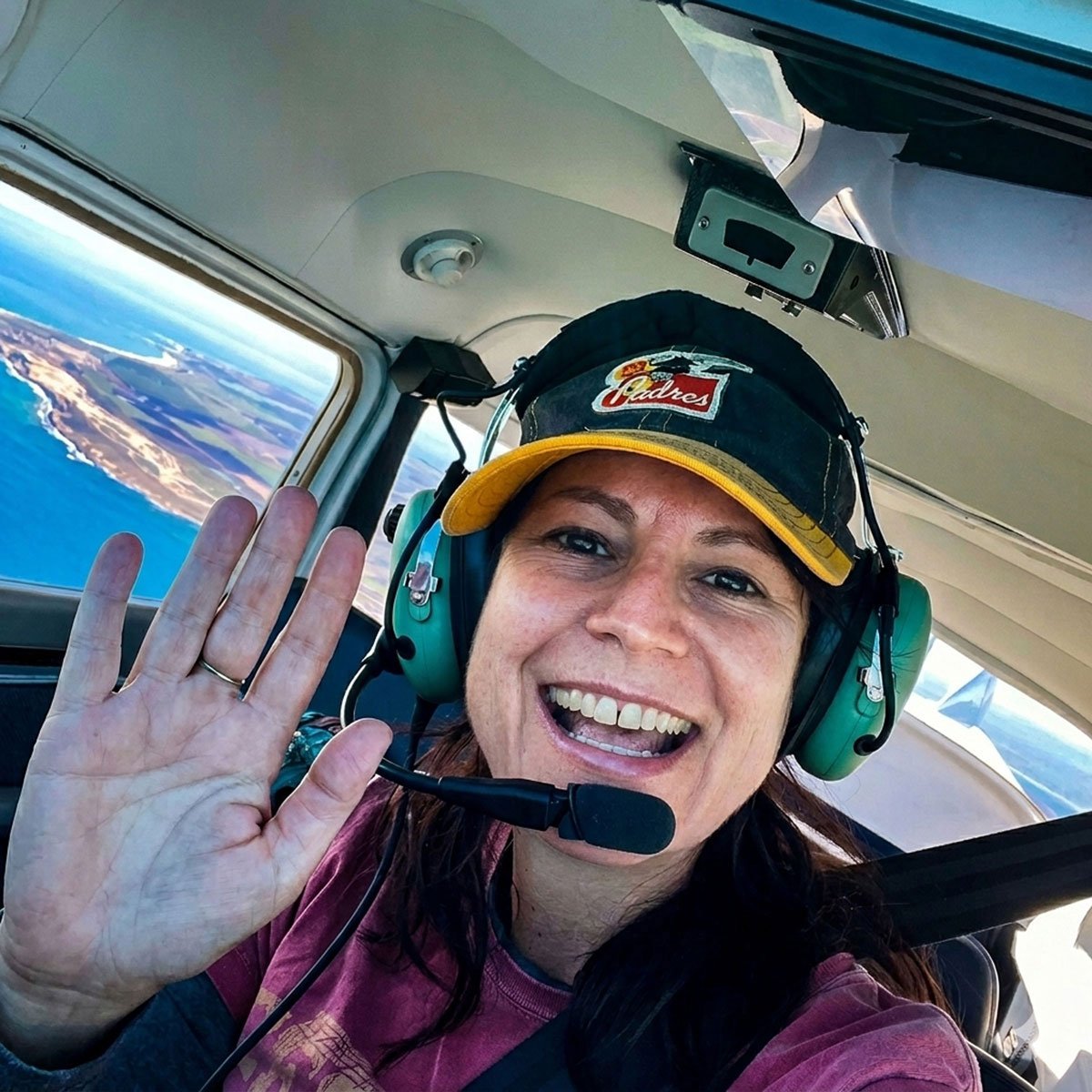
Kristine Zeigler, Co-Founder
-
Kristine works at the nexus of philanthropy and environmental action. For over 25 years, she has mobilized critical funding to protect land, water, oceans, and wildlife while strengthening the organizations behind that work.
-
Her influence extends beyond fundraising—helping shape strategy, build capacity, and accelerate impact across the conservation sector. She also serves on the Board of Advisors for Daughters for Earth and on the Board of Directors of the Mono Lake Committee.
-
Through her writing and mentorship, she helps elevate new voices and deepen the cultural connection between people and the natural world, expanding the reach and impact of conservation.
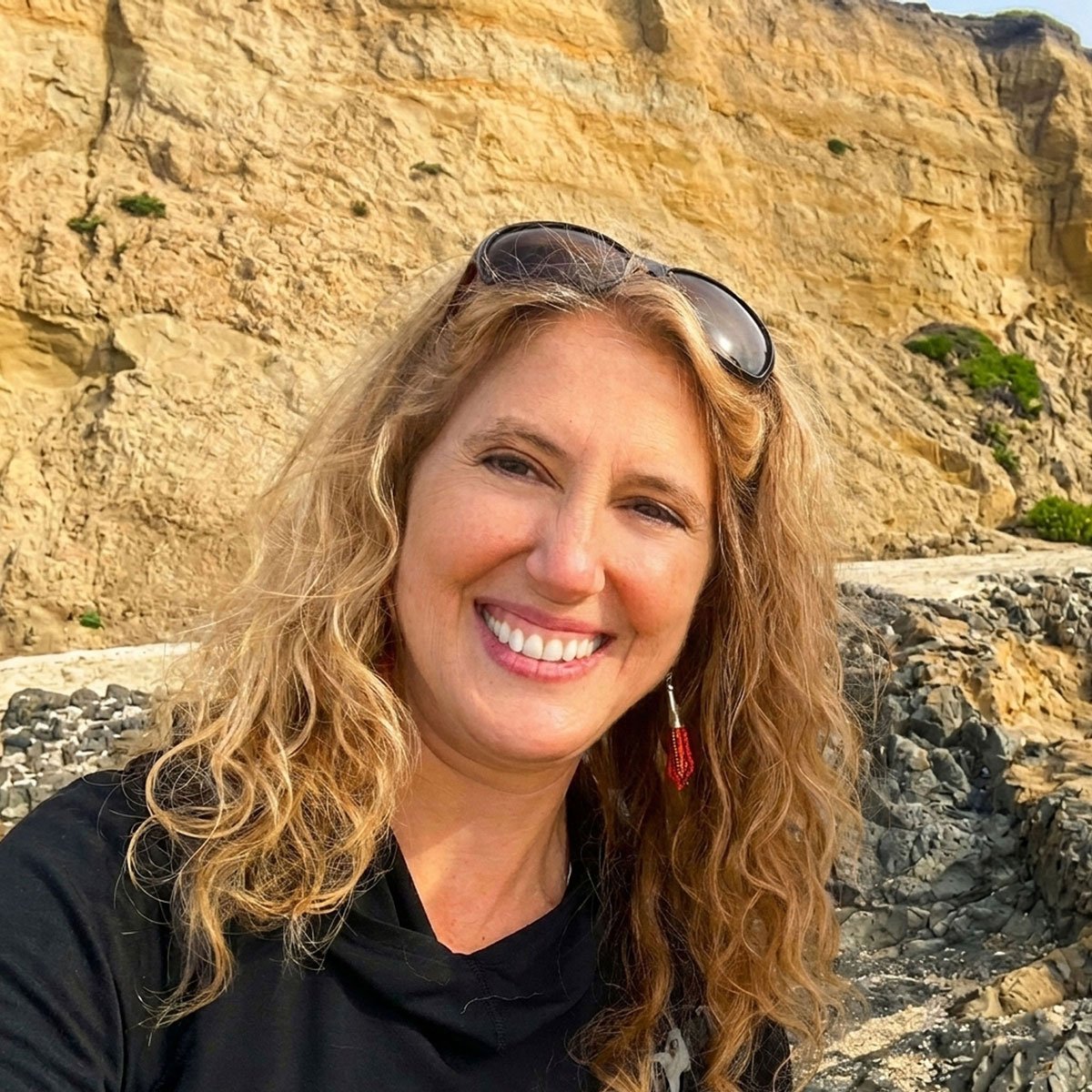
Rebecca Kormos, Co-Founder
-
Rebecca works at the intersection of conservation, climate, and human rights. For over 35 years, she has fought to protect endangered species while pushing conservation toward justice and inclusion.
-
She then led a demanding nationwide survey of chimpanzees and large mammals in Guinea. Her impact spans the globe—shaping major conservation programs, confronting the links between conflict and biodiversity loss, and helping drive international strategies to protect great apes. As Vice Chair of the SSC Primate Specialist Group Section on Great Apes, Rebecca also helped found both the Section on Great Apes and the ARRC Task Force—placing her at the center of global ape conservation.
-
Rebecca challenges dominant narratives, revealing the deep connections between gender, power, and environmental survival. She continues to push for a just future for people and the planet.
Circle of Advisors
Our advisors are the heart of Superbloom Fund. These women provide the sagacity that shapes our philosophy, informs our process, and grounds our practice.
-
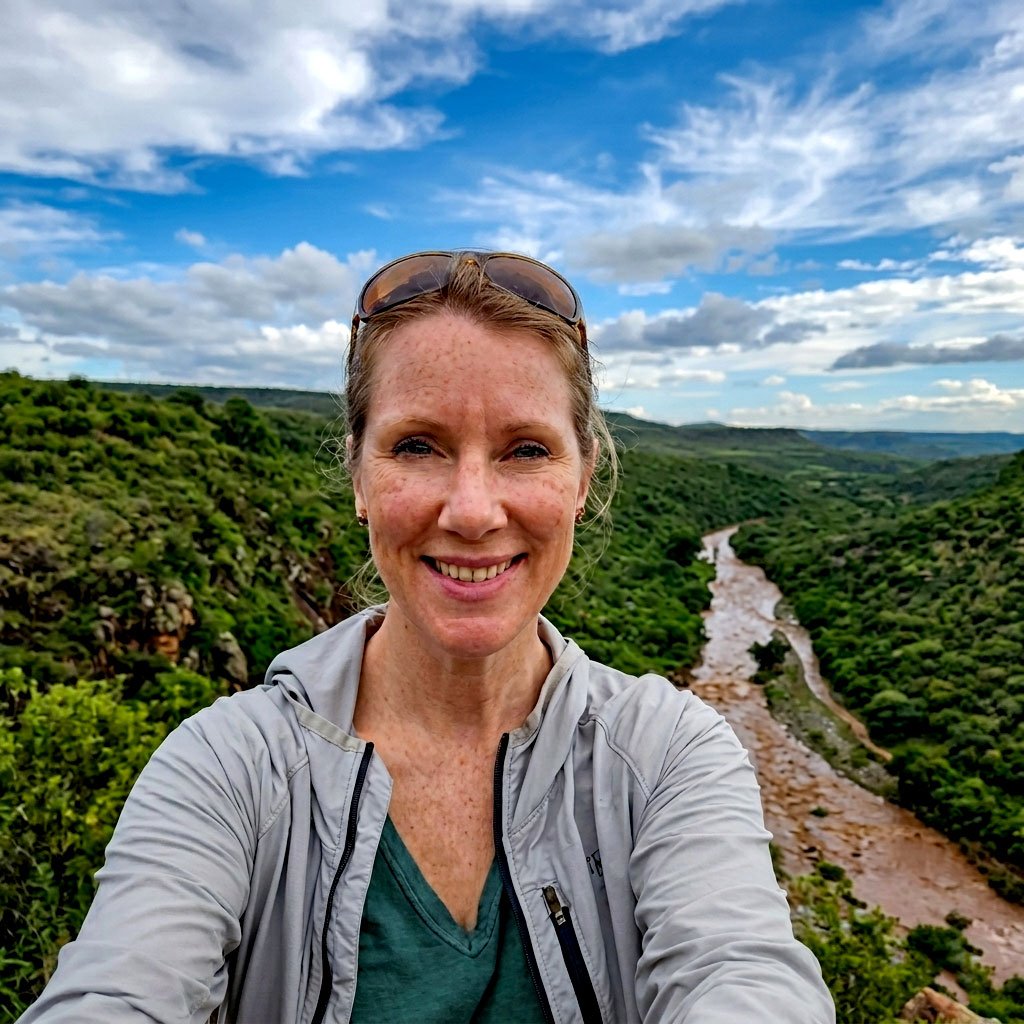
Dr. Jessica Deichmann is an ecologist and conservation biologist dedicated to supporting community-led biodiversity conservation initiatives around the world, with decades of field experience and cross-sector collaboration. She currently serves as a program officer for the Liz Claiborne & Art Ortenberg Foundation, which is dedicated to the survival of wildlife and wildlands and to the vitality of the human communities with which they are inextricably linked. Prior to this, she spent over a decade as a senior scientist with the Smithsonian National Zoo and Conservation Biology Institute and the Working Land and Seascapes Initiative, conducting research to develop conservation strategies that serve both ecosystems and people. As a founding member of the Women in Nature Network (WiNN), she has seen firsthand how women building networks and support systems across boundaries strengthens the resilience needed to meet the biodiversity and climate challenges of our time, and how women's full participation produces conservation outcomes that are more sustainable, more locally grounded, and more durable. Throughout her career, Jessica has had the privilege of working alongside people around the world committed to making it a better place, and those experiences have shaped her deeply. She has come to understand that connection across people, disciplines, and shared purpose is not just sustaining for those doing this difficult work, it is what makes the work itself more effective.
-
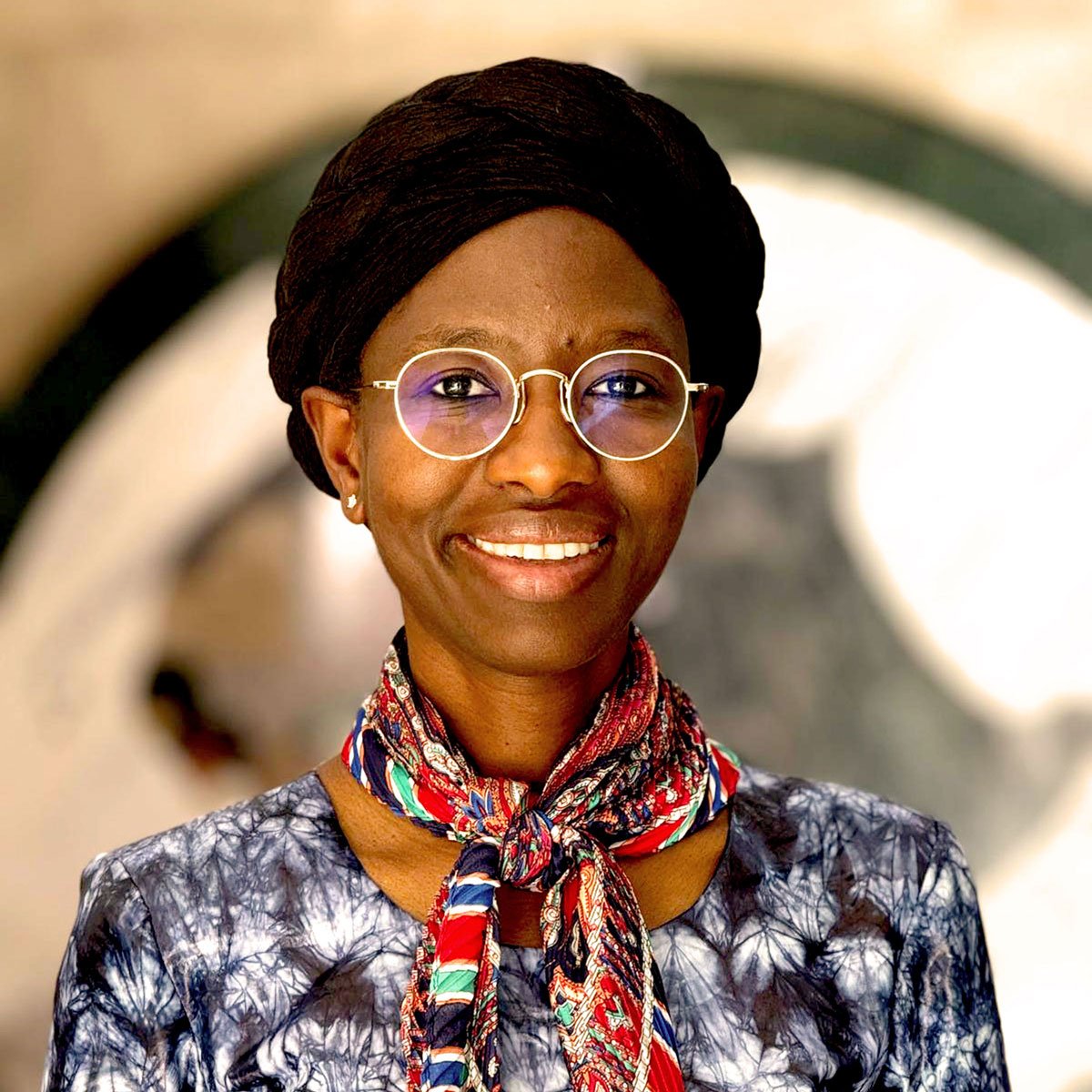
Dr. Penda Nene Diallo is a global multilingual social science scholar, author, and sustainability practitioner with 15+ years of experience across academia, NGOs, industry, and international development. She works at the intersection of responsible mining governance, ESG, natural resource management, human rights, and climate action — with field experience and collaborations globally.
What sets Dr Diallo apart is a rare combination of academic credibility, extensive field research, cross-industry experience, multidisciplinary expertise, and lived knowledge of the communities she serves — bridging local realities and global frameworks to deliver evidence-based and genuinely transformative change.
A published book author and contributor to 10+ peer-reviewed publications, she has dedicated over 15 years to sustainable development, ESG, and mining governance in Guinea, West Africa, and the Sahel as both a research focus and a lived practice — championing environmental stewardship, human rights, and initiatives that empower rural communities, with a particular focus on rural women and youth. She serves on the Scientific Board of an international organisation and as a Co-opted Trustee of a university charity.
Deeply committed to community well-being, she has also volunteered for over 19 years with a charity focused on food security and income generation for rural women across the agricultural value chain—supporting this work both remotely and in the field.
Now embarking on a bold new chapter, Dr Diallo is building a platform to bring together her expertise, experience, and passion to scale her impact worldwide.
-
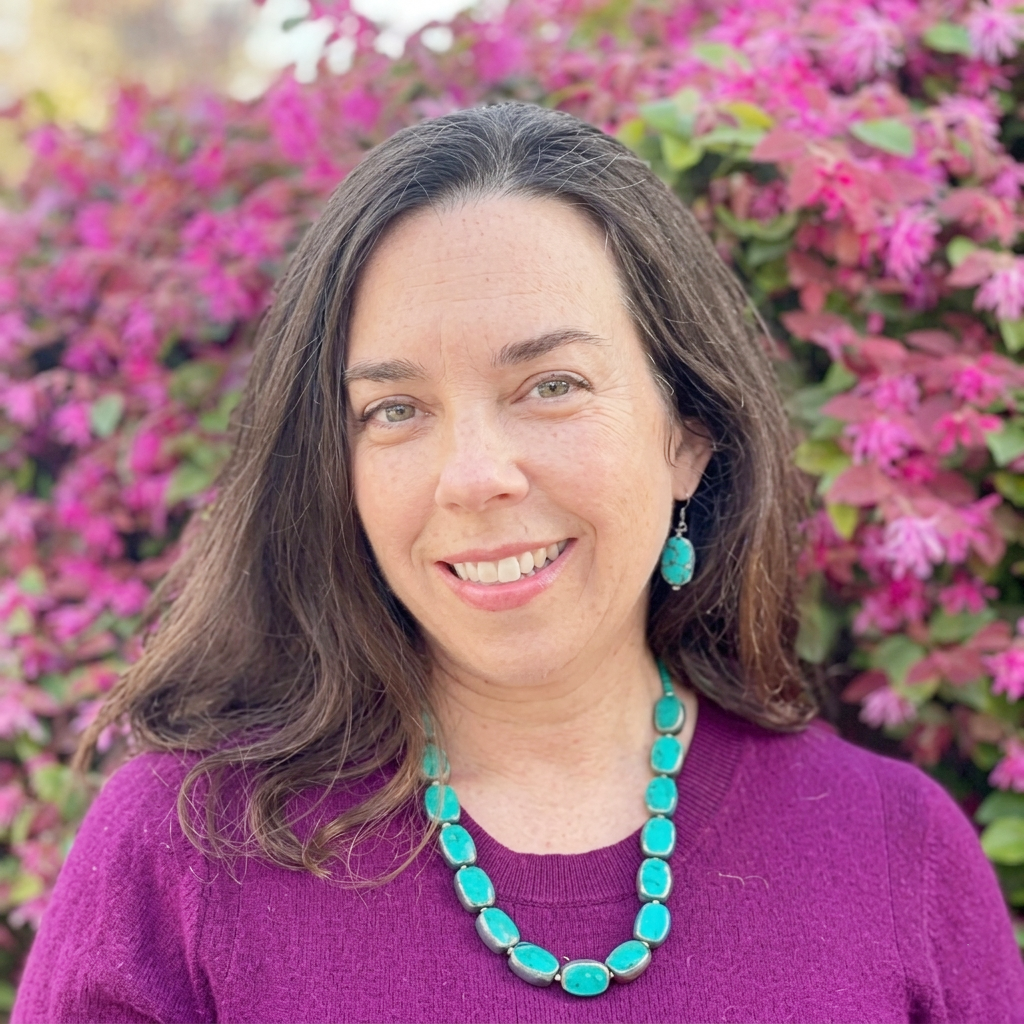
Maria DiGiano is a Program Officer at the Gordon and Betty Moore Foundation, where she works on conservation efforts across the Andes-Amazon region. Her work focuses on strengthening the protection of Indigenous Peoples’ and local communities’ lands. Maria’s work helps create the conditions for forests and freshwater ecosystems to thrive over the long term, recognizing that these landscapes are also home to cultures, livelihoods, and ways of life that are deeply interconnected with nature.
Over the past decades, Maria has worked in environmental philanthropy and international development, collaborating with partners across Latin America, including Indigenous organizations, civil society groups, and public agencies, to advance conservation efforts that are both locally grounded and systemically relevant. She is particularly interested in how governance, finance, and collective action can come together to support not only ecological integrity, but also the resilience and self-determination of the communities who steward these territories.
Maria is also committed to advancing women’s leadership in the context of climate change and biodiversity. She recognizes that women play a critical role in managing natural resources and shaping solutions, yet remain underrepresented in decision-making spaces and access to finance. She is interested in supporting pathways that elevate women’s leadership and strengthen their role in environmental governance.
Her work is grounded in a belief that lasting change comes from trust, partnership, and listening, values she continues to carry into both her professional and personal life.
-
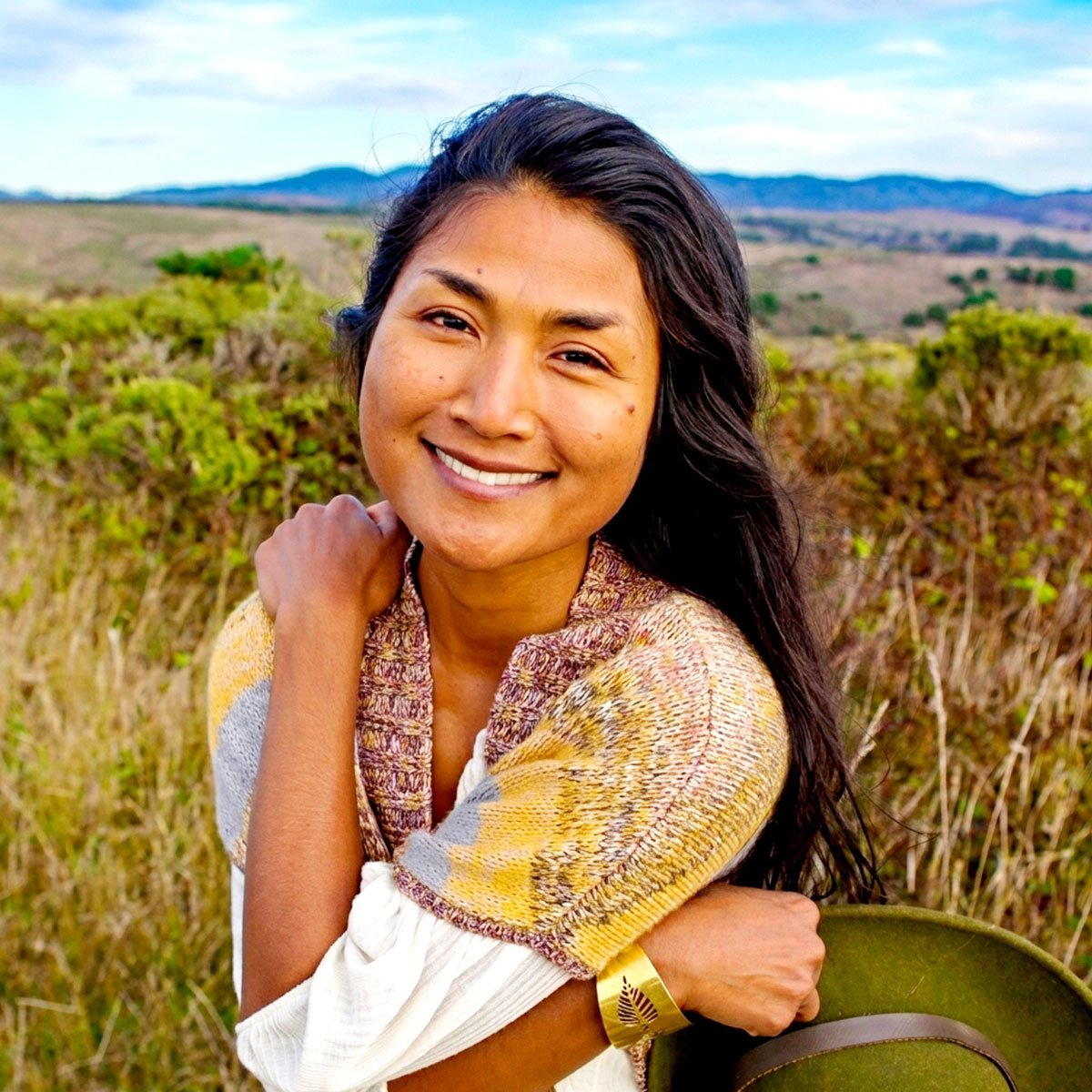
Kalyanee Mam has always been intrigued and inspired by the story of home. Born in Cambodia during the Khmer Rouge regime, which took the lives of nearly two million people, she and her family were forced to flee their homeland, eventually arriving in the United States in 1981. Even to this day her mother recounts stories of their flight through jungles laden with land mines. Her effort to understand home has led her to work on films about war and refugees, families threatened and displaced by the destruction of their land, forests, rivers, cultures, traditions, myths, and stories. Her debut film A River Changes Course won several awards, including the Sundance Grand Jury Award for World Cinema Documentary and Golden Gate Award for Best Feature Documentary at the San Francisco International Film Festival. The short, Fight for Areng Valley, was featured on the New York Times Op-Docs Series. Lost World, featured in Emergence Magazine, received The Eric Moe Award for Best Short on Sustainability. Her other works include documentary shorts Between Earth & Sky and Cries of Our Ancestors. She has also worked as a cinematographer and associate producer on the 2011 Oscar-winning documentary Inside Job. She is a frequent contributor, as a filmmaker and writer, to Emergence Magazine. Kalyanee's story was featured in the film Taste of the Land, directed by Adam Loften and Emmanuel Vaughan-Lee as part of the magazine’s Shifting Landscapes Film Series. She is currently working on two feature length documentaries - The Girl Who Could Not Speak and The Fire and the Bird's Nest. She is a film advisor to the Mekong Culture WELL project at Michigan State University and director of the Cambodian American Studies Model Curriculum Short Film Series. Kalyanee also serves as a board member of two Sonoma County-based organizations - Landpaths, an environmental education and conservation leader with a mission to foster a love of the land and the Women's Lead Club, which provides support, empowerment, education, resources, and opportunities to facilitate and encourage women’s rock climbing both indoors and outside.
-
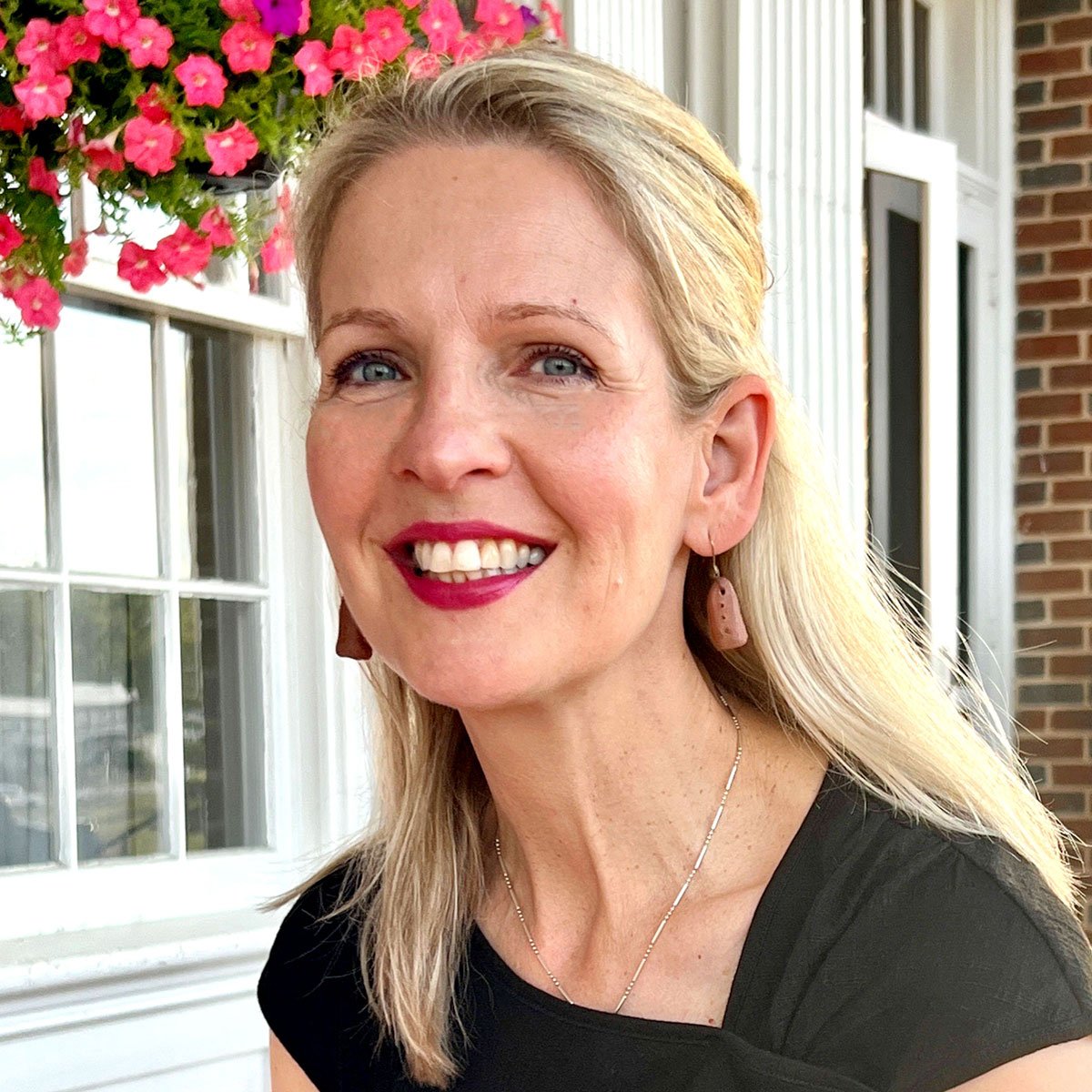
Susan Winslow brings over 25 years of experience across advertising, entertainment, and conservation, offering a unique cross-sector perspective on driving meaningful impact. Originally from the UK, her lifelong love of nature has shaped both her career and commitment to conservation. She began in design and advertising, leading programs for national brands and building expertise in creative strategy and client leadership. She later moved into entertainment, overseeing high-profile product launches with major organizations and A-list talent, most recently as Director of Creative Services.
Susan then transitioned into conservation, working with Friends of the National Zoo and later Conservation Nation, where she served as Director of Grants, Marketing, and Communications. There, she built a global grant program supporting over 100 women, people of color, and Indigenous conservation leaders.
She currently serves on the Board of the Women in Nature Network and continues to support conservation efforts through fundraising and volunteer work. Susan brings a deep passion for nature and a career rooted in collaboration, creativity, and community.
-
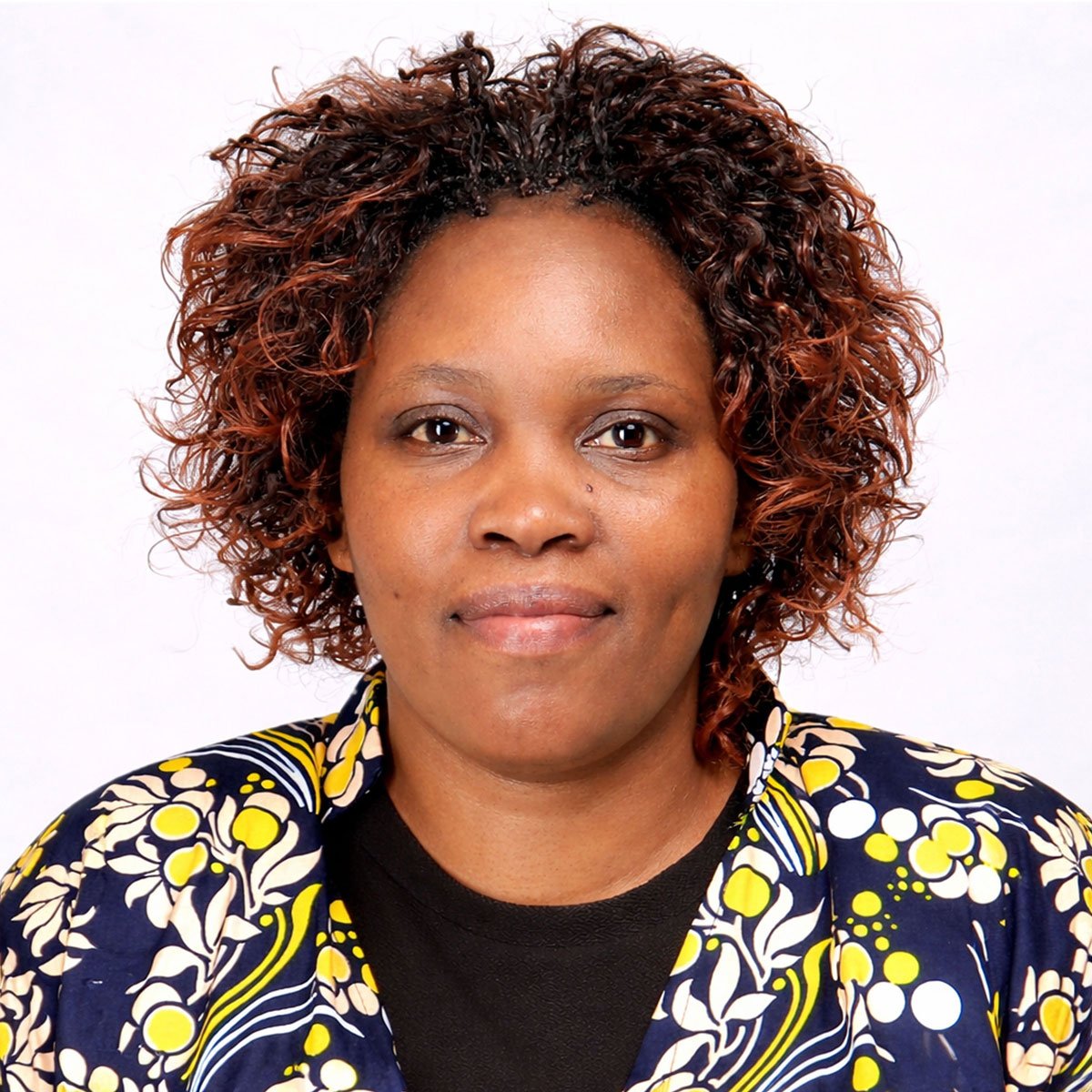
Faith Milkah Muniale, PhD, is a conservation leader from Nakuru, Kenya, advancing women’s influence, nature-based solutions, and climate-resilient communities across Africa. As Director of the Restore Africa Program at World Vision International, Faith leads one of the continent’s largest landscape restoration initiatives, guiding partners, technical teams, and global carbon compliance.
With 20+ years of experience in ecosystem restoration, climate adaptation, and natural resource management, Faith publishes widely, mentors emerging women leaders as Global Coordinator of the Women in Nature Network (WINN), and has received numerous awards, including recognition from Women for the Environment Africa, WWF’s Education for Nature Program, and the Organization for Women in Science for the Developing World. She transforms knowledge into action—uplifting communities, ecosystems, and the next generation of conservationists.
-
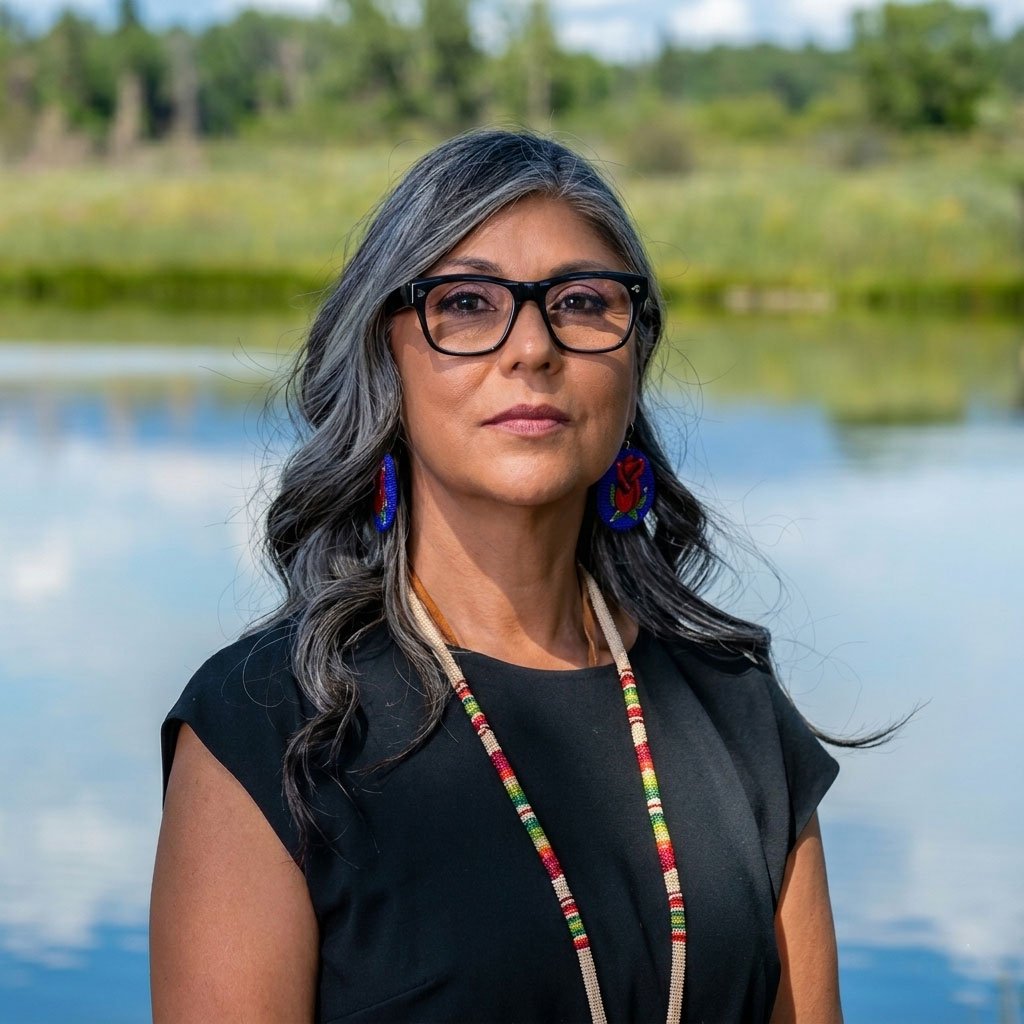
As Vice Chair of the Colorado Water Conservation Board, Lorelei Cloud stands at the forefront of one of the most critical issues in the American West: the future of water. A member of the Southern Ute Tribe, she made history as the first Native American to serve on a state water board—bringing Indigenous leadership and perspective to the highest levels of water policy. Cloud’s influence extends far beyond a single role. She is a co-founder of the Indigenous Women’s Leadership Network, advancing the power and visibility of Indigenous women in leadership. Her work with The Nature Conservancy and her representation of the San Miguel, Dolores, Animas, and San Juan River Basin further demonstrate her deep commitment to protecting vital water resources across the region.
Through her involvement in the Water and Tribes Initiative, Cloud plays a pivotal role in forging collaboration between Tribal nations and government agencies—helping to shape a more equitable and sustainable future for water management.
A powerful advocate and changemaker, Lorelei Cloud is redefining leadership at the intersection of Indigenous knowledge and environmental policy.
-
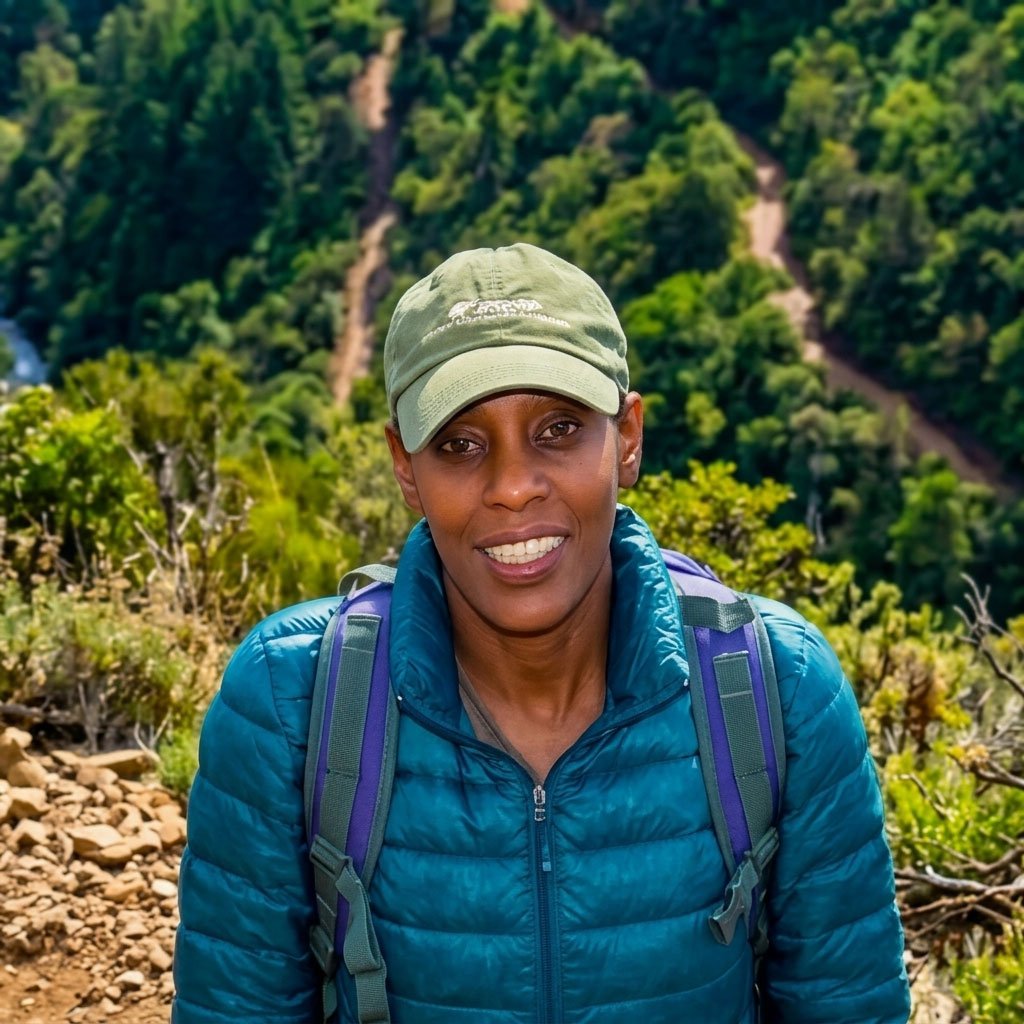
Beatrice Karanja is a visionary leader at the forefront of Africa’s environmental and entrepreneurial transformation. As the Founding Executive Director of Nature’s Pitch, she has built a pioneering, African-led growth hub that champions early-stage ventures across the green and blue economy—placing a powerful emphasis on nano-entrepreneurship and advancing African women in STEMM. Beyond this groundbreaking work, Beatrice serves as Director and Senior Advisor for Strategy, Partnerships, and Resource Mobilisation at Natural State, where she shapes high-impact collaborations and mobilizes critical resources to accelerate conservation and development outcomes.
Her influence extends to some of the most respected conservation organizations globally. She serves as Board Chair of the Mara Elephant Project, guiding efforts to protect one of Africa’s most iconic species, and as a Trustee of both Tusk Trust and Natural State. As a panel judge for the prestigious Tusk Conservation Awards, she helps spotlight and elevate the next generation of conservation leaders across the continent.
In recognition of her leadership and impact, Beatrice was appointed in 2024 to the Advisory Council of the Rwanda Wildlife Conservation Association—further cementing her role as a trusted voice shaping the future of conservation in Africa.
-
Placeholder