

Superbloom Fund Grantees
Our grantees protect Earth’s vital ecosystems all while uplifting women and girls.
-
We’ve built powerful, community-led programs that elevate rural and Indigenous women as conservation leaders—advancing biodiversity, livelihoods, education, and access to voluntary family planning.
It Starts With Community
Our grantees are fostering a new generation of environmental stewards.
Superbloom Fund Current Grantees
-
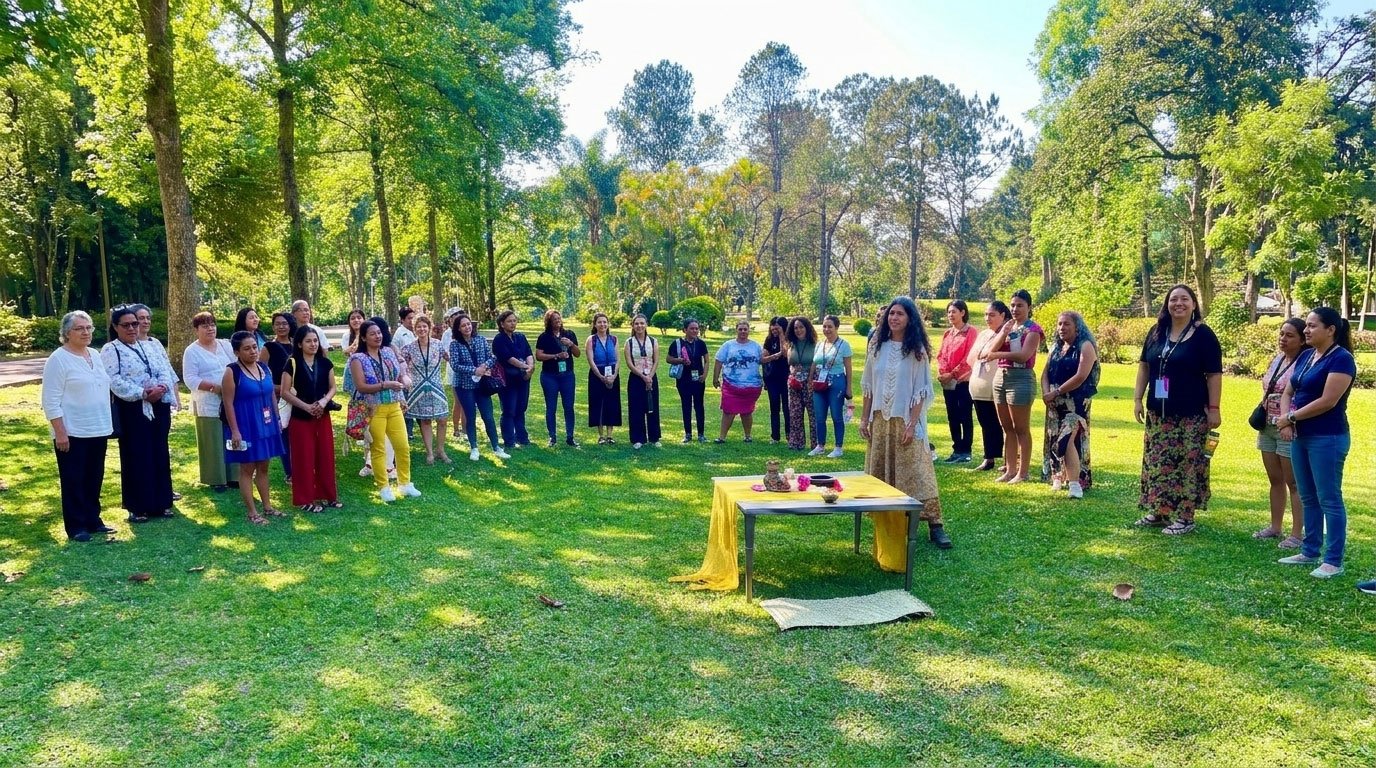
The Women in Nature Network (WiNN) was founded in 2013 by 12 leading conservationists and has grown to become a recognized global community of over 1,000 women working to protect and restore nature. Our members range from women revitalizing ecosystems at the community level to leaders of international conservation organizations.
Women offer some of the most powerful and creative solutions to the pressing challenges of conservation, species and habitat loss, and climate change. The Women in Nature Network (WiNN) fosters a global community that connects, supports, and empowers them as conservation leaders through the power of networks, mentorship, global events, and direct support.
The women of WiNN can be found around the globe. They range from university students just beginning their careers to established conservationists who’ve been honored with Whitley awards and recognized as National Geographic Fellows and U.N. Champions of the Earth. We welcome any woman or gender-expansive person interested in or working in conservation to join our collective. Our goal is to create a welcoming, supportive, and inclusive community where current or aspiring conservationists can connect with others to expand their knowledge and resource base. Working together, women can vastly scale the collective impact needed to restore our world.
-
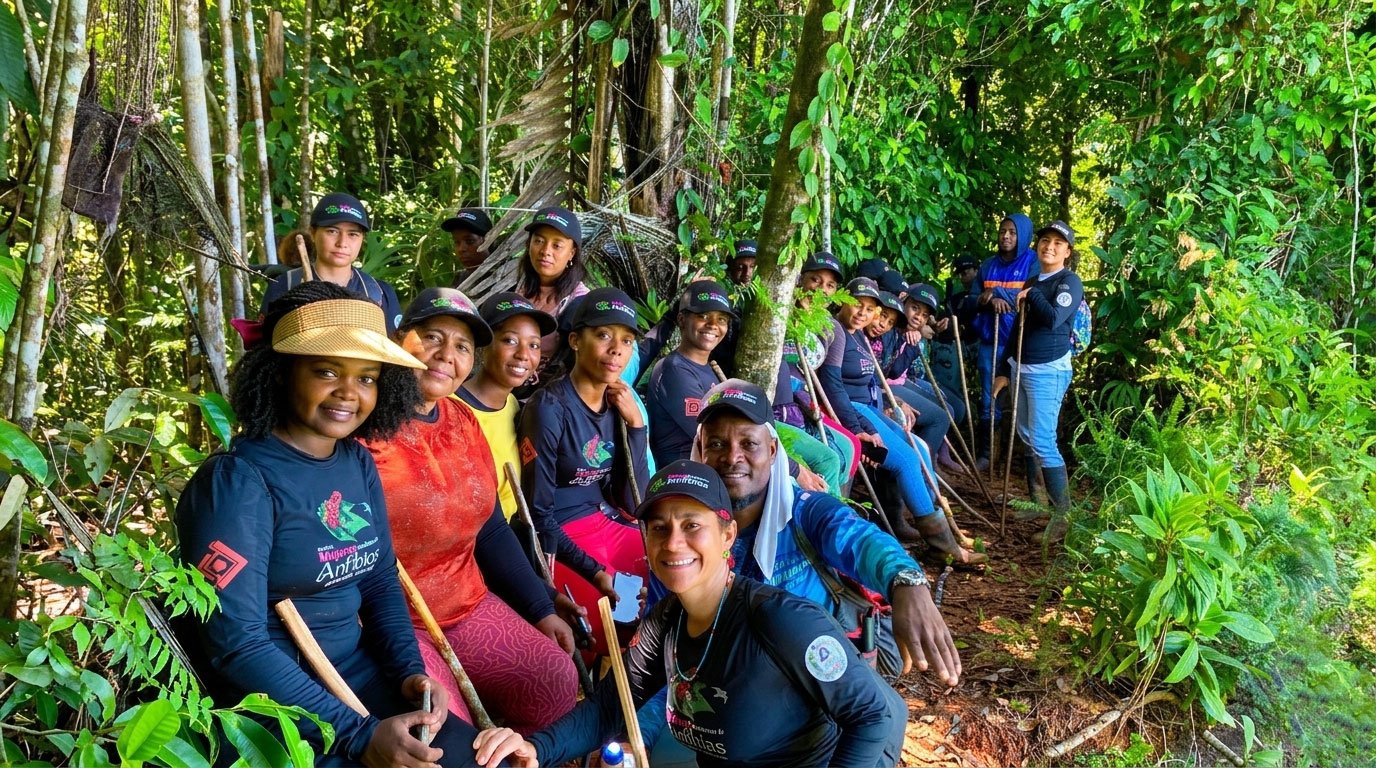
Women for Conservation is dedicated to protecting endangered species and their habitats by partnering with women as leaders in conservation, linking environmental protection with women’s economic empowerment, environmental education, sustainable livelihoods, and access to voluntary family

-
For the Good supports women and protects nature by expanding education for Maasai girls and equipping them to lead on behalf of their families, communities, and the lands they depend on.
When girls access school and build agency, everything shifts. They delay the age at which they start their families, improving health outcomes and increasing their earning potential. They choose to have fewer children, which significantly reduces carbon emissions. We enable those choices by ensuring girls stay in school and by providing Sexual and Reproductive Health and Rights (SRHR) education, so they can make informed decisions about their bodies and futures.
Education also transforms how women steward land. Rooted in pastoralist livelihoods, the girls we work with feel environmental challenges first and most intensely—drought, degraded rangelands, and scarce water and firewood. Their daily labor nurtures a distinctive relationship with the earth that shapes different decisions about how they manage their land and how they use forest resources—choices that directly affect biodiversity and soil and water conservation. Education provides the context to understand their lived experience and to advocate for more sustainable practices. Yet, they too rarely hold the land titles that allow them to drive that stewardship. In Kenya, women make up roughly 75% of the agricultural labor force but hold under 3% of land titles. In Loita, where Maasai women were recently granted land rights, we help them understand and exercise those rights. In Naikarra, where land titling has largely excluded women, we forge pathways for them to gain a voice in land-use decisions.
Access to education as girls dramatically increases the likelihood that, as women, they will have the agency and voice to act on their unique knowledge and priorities. Investing in their education and leadership is one of the most powerful ways to secure resilience for their families, communities, and landscapes.
-
The Women in Nature Network (WiNN) was founded in 2013 by 12 leading conservationists and has grown to become a recognized global community of over 1,000 women working to protect and restore nature. Our members range from women revitalizing ecosystems at the community level to leaders of international conservation organizations.
Women offer some of the most powerful and creative solutions to the pressing challenges of conservation, species and habitat loss, and climate change. The Women in Nature Network (WiNN) fosters a global community that connects, supports, and empowers them as conservation leaders through the power of networks, mentorship, global events, and direct support.
The women of WiNN can be found around the globe. They range from university students just beginning their careers to established conservationists who’ve been honored with Whitley awards and recognized as National Geographic Fellows and U.N. Champions of the Earth. We welcome any woman or gender-expansive person interested in or working in conservation to join our collective. Our goal is to create a welcoming, supportive, and inclusive community where current or aspiring conservationists can connect with others to expand their knowledge and resource base. Working together, women can vastly scale the collective impact needed to restore our world.
-
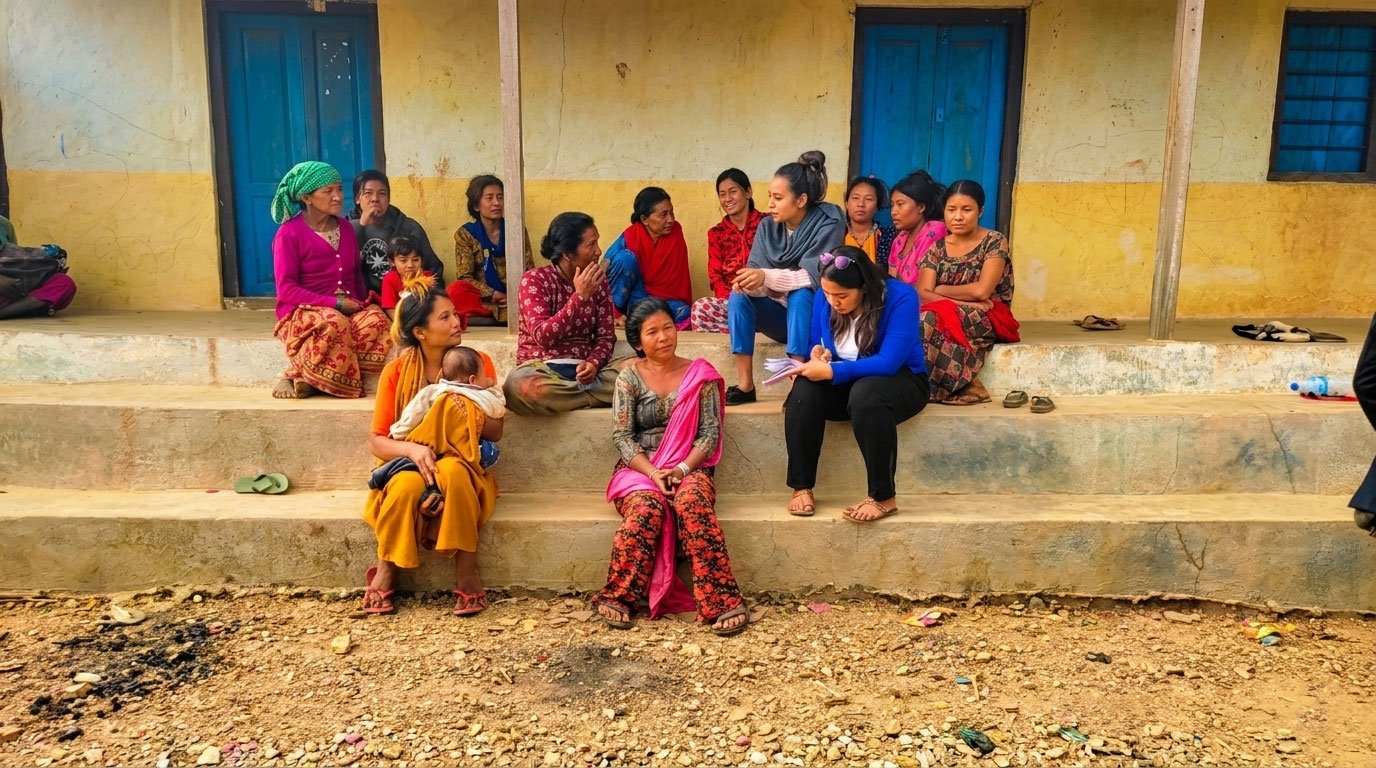
As Nepal is grappling with a climate crisis, facing complex disasters beyond our capacity to manage. As global temperatures continue to rise, Nepal’s future becomes increasingly uncertain. Similarly, climate-induced impacts are disproportionately felt by marginalized and Indigenous communities directly affecting livelihoods. Therefore, building climate resilience has become our urgent need. Realizing this, we initiated a holistic approach to empower and uplift vulnerable communities across Nepal and mitigate the risk of landslides, fostering sustainable livelihoods, and contributing to a circular economy model, thus setting a national example for grassroots engagement, environmental conservation, climate action and women empowerment. Under this approach, we are raising funds for the Women-centric resource and innovation center project that we have started in Rakshirang rural municipality to establish the first-ever sustainable multipurpose resource center, creating a learning space for indigenous and marginalized communities, especially women present there to learn, share, and grow together. The local community and women will utilize the resource center as a learning platform and conduct trainings, meetings, broom production, and other activities. We also aim to create resilienc women-led environmental conservation and livelihood upliftment efforts, fostering coexistence with nature and a thriving ecosystem resilient to climate change.
-
Summit Zambia 2026 brings together women climate leaders to unlock their greatest resource—each other. By fostering collaboration and meaningful relationships, the Summit builds a powerful network of women driving climate action across Zambia, with a vision to grow regionally and globally.
Designed as a transformative experience, the Summit opens doors to new opportunities, resources, and mentorship. Participants gain critical skills in climate finance, technology, leadership, and advocacy—equipping them to strengthen their initiatives and expand their impact.
Women leave the Summit with practical tools to navigate funding opportunities, hands-on experience with climate and wildlife technologies, and tailored leadership and advocacy training. Each participant also receives a small grant to support a community-based initiative, along with a Certificate of Achievement.
More than an event, the Summit is a launchpad—empowering women to protect ecosystems, uplift communities, and lead lasting, meaningful change.
-
Placeholder
-
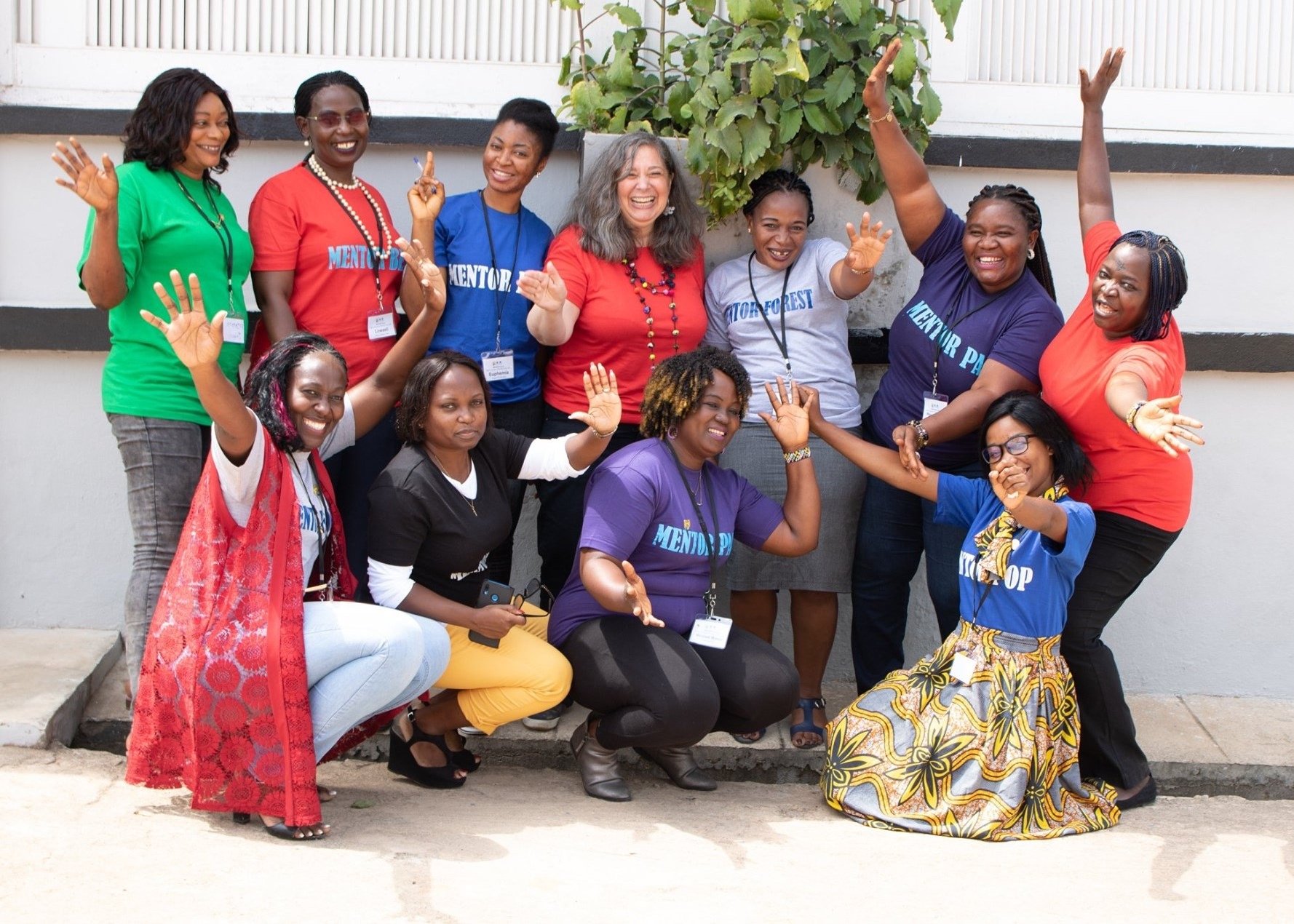
LeAP: Leadership for Africa’s Parks is a new initiative to enhance conservation leadership skills at African wildlife colleges and universities to improve wildlife conservation and support communities. We work with selected faculty lecturers at partner institutions to fill gaps in curricula by embedding skills such as problem solving, teamwork, conflict management, and more into undergraduate curricula so that all wildlife graduates gain these essential conservation skills. LeAP’s Women’s Conservation Leadership Program provides additional and unique support for women.
Women offer valuable perspectives to advance conservation and protected & conserved area management, but face special challenges, including systemic barriers to education, cultural norms, harassment, and more. As part of the Women’s Conservation Leadership Program, LeAP holds monthly webinars for female faculty and students led by women conservation leaders who share their personal experiences and guide other women to success. Together, they will develop and solidify a network of LeAP Women Conservation Leaders who meet regularly to exchange. LeAP will enhance its support of university women to include female-only field visits to parks and communities, study tours to meet with female decision makers, and LeAP workshops bringing together female lecturers, students, and leading women conservationists and so women feel safe and heard as they learn from female role models. Professional career development opportunities for female lecturers will also enable them to grow and contribute to their universities.
Starting with four universities in West & Central Africa, LeaP will LeAP Higher and expand over time to include other universities, creating a Pan-African network.
-
Placeholder