Women’s leadership and gender equality results in better outcomes for nature and the planet
There is now a plethora of evidence that demonstrates that when women are supported, there are rippling benefits for women, their families, communities, and nations, in terms of poverty reduction, malnutrition prevention, disease protection, educational gains, economic development and the establishment and maintenance of peace.
Less known is that investing in women has rippling benefits for nature and climate
Women’s leadership, gender equality, and women’s involvement in decision-making result in…
-
Norgaard & York (2005)
-
Ergas & York (2012)
-
Agarwal (2009)
-
Sultana & Paul (2008)
-
Clabots (2013)
At the same time, women are disproportionately impacted by climate change and nature’s degradation and destruction. Here are a few examples
Women’s climate vulnerability is not because of any innate weakness; rather, it is the result of gender and social inequalities.
-
Globally, men are often trained in and practice lifesaving skills such as swimming and tree climbing that are not considered “appropriate” for women. Inability to swim was reported as one of the main reasons that only one-quarter of the survivors of the 2004 tsunami in Indonesia were female.
-
In many cultures, women are expected to wear certain clothing that can make them more vulnerable to extreme climatic events. Long skirts and wraps of material can restrict movement when. Women try to run and can weigh them down in water. Behavioral taboos can also prevent women from fleeing. In some countries, there are rules against women leaving their homes without the consent of their husband, brother, or father. During the 2005 earthquake in Pakistan, for example, because of the requirement to cover themselves before leaving the house, women did not leave buildings in time even when the structures were shaking
-
During disasters such as floods and droughts, girls often get pulled from school to help women with the extra time burden of fetching water, fuelwood, and caring for the young, sick and elderly. They often never return to school. This affects women’s longterm ability to secure a job, make money, support her children, and for her autonomy in general.
-
When rivers are polluted or dry up, women need to walk further to collect water. Fetching water is a task primarily assigned to women in most countries worldwide. Carrying water for long distances takes a toll on the body and can result in spinal injuries and miscarriage. It takes time away from girls attending school, and women’s ability to engage in other activities, including making money.
-
During disasters such as floods, firestorms, and droughts, women often lose access to sexual and reproductive health care and services. This can have rippling impacts for the rest of the lives of both the woman and her children’s lives.
-
When fuelwood is scarce, there is a shift to alternative fuels such as burning dung and other products often contaminated with crop residues and pesticides, which release even more toxins than fuelwood when burned. This is increasing the rate of respiratory infections, lung cancer, and other pulmonary diseases in women.
Why?
Climate- induced disasters don’t blast away existing social relationships and inequalities, as if out of the rubble comes a chance to reset. They do the opposite: what was unequal before becomes even more unequal after.
—Anne Karpf
Despite the tremendous benefits of women’s leadership and the fact that women are disproprotionately impacted, women are still underrepresented in making decisions about our planet
Globally, more than 75 percent of all governments on Earth are headed by men; nearly 75 percent of all parliamentary seats are held by men; 90 percent of all Fortune 500 companies have male CEOs; and in the United States, 75 percent of all Senators are men, as are 76 percent of all U.S. governors. At the top environmental conservation groups in the U.S., women represent only 13 percent of CEOs.
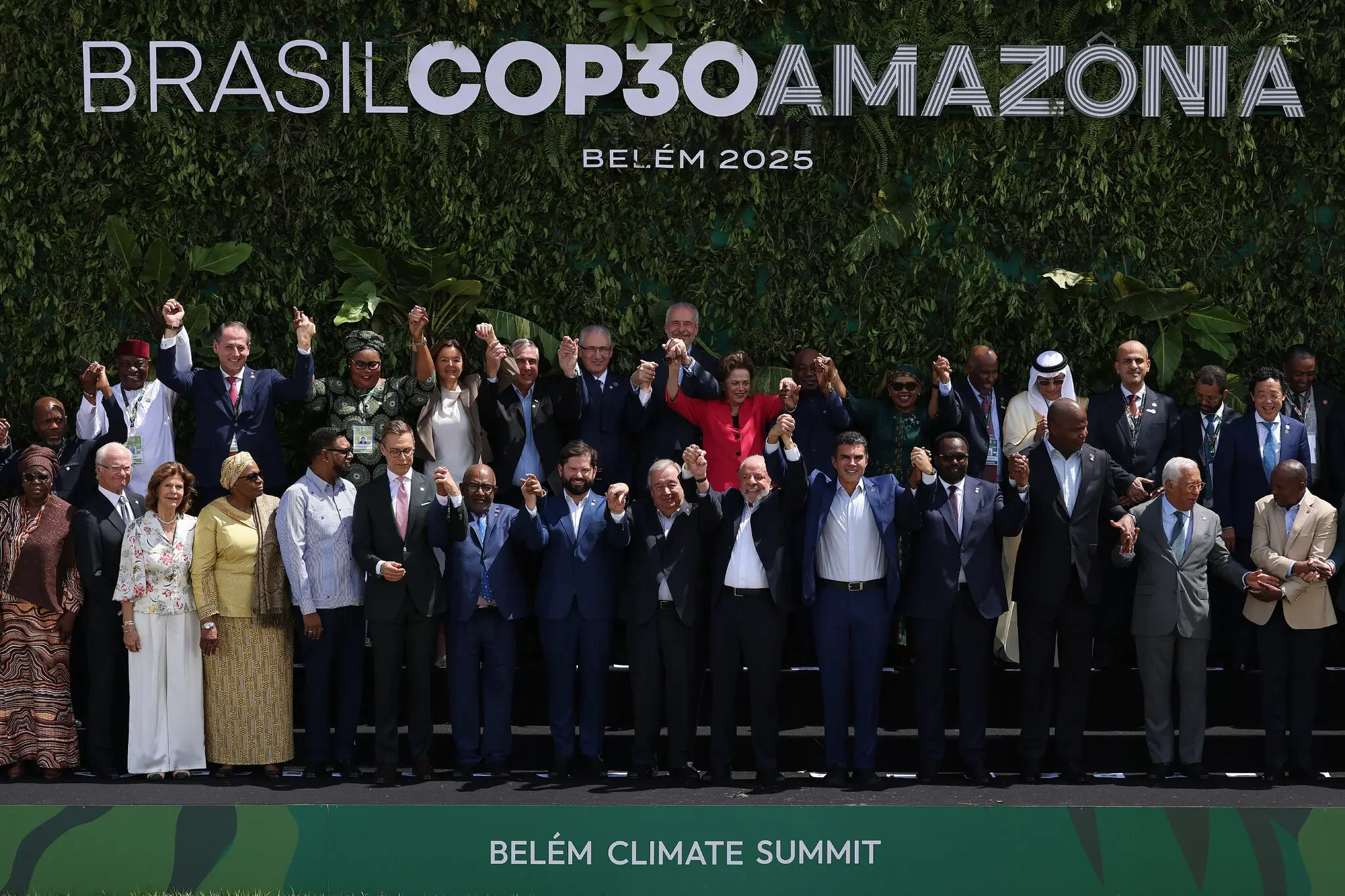
The New York Times
Funding is key…
for women to test their ideas.
for women to scale good ideas.
to amplify their voices so that they can share their ideas more widely
and get more funding to implement their work
Yet…
Almost two-thirds
of all that funding goes to agriculture
-Selibas (2022)Only 0.2%
of all foundation funding focuses explicitly on women and the environment.
Only 0.03 %
of all foundation funding focuses explicitly on women, conservation, and biodiversity.
— "Our Voices, Our Environment" Report: Global Greengrants Fund — "Our Voices, Our Environment" Report: Global Greengrants Fund Most funding is for projects. Essential employees, services, skill-building, training, and effective project management are chronically underfunded.
More than half of Indigenous, Afro-descendant, and local community women organizations have no core funding
-Rights and Resources Initiative (RRI) and the Women in the Global South Alliance (WiGSA)“If you want to lift up humanity, empower women. It is the most comprehensive, pervasive, high-leverage investment you can make in human beings.”
Melinda French Gates in "The Moment of Lift"