

Superbloom Newsletter September 2026
Dear Superbloom Community,
Welcome to Superbloom!
In this newsletter, we are excited to introduce you to some of the remarkable women and organizations we partner with! We are also excited to share ideas that are challenging the status quo in philanthropy and show you how, through each grant, we are creating exponential impact by funding, supporting, and connecting women across the planet and amplifying their stories.
I’m new to philanthropy. For most of my career as a wildlife biologist, I was on the other side of the table: writing grants, pitching ideas, doing fieldwork, and reporting back to funders. Stepping into the role of funder has been both exhilarating and humbling—and it has raised a lot of questions too! So, over the past year, I’ve been listening to funders, to women leading grassroots organizations, and to those navigating the often complicated world of philanthropy. One thing has become clear: the power dynamics in philanthropy are real, and it is time to rethink how we give.
Too often, funding systems still reflect their colonial roots. Too often, those closest to the problems have the least power to shape where resources go. And too often, women doing some of the most important work to protect nature are asked to adapt to systems that were never designed with them in mind.
At Superbloom, we are trying to do things differently.
We want to push the boundaries of both philanthropy and conservation—to listen more, trust more, give more flexibly, and put power closer to the women and communities doing the work.
Our first grants have focused in part on something I write about in Intertwined: Women, Nature and Climate Justice: connection. Patriarchy and colonialism have often used isolation as a tool of suppression. But both the feminist movement and evidence from across the animal kingdom show us that supporting each other is an extraordinary force for change and gives strength to stand up to sometimes seemingly ominous forces.
So at Superbloom, we have been building connections, supporting networks, and investing in women so that no one has to work to protect the planet alone.
We are also evolving. We have just completed Superbloom’s strategic plan for 2027–2030, and while connection will remain at our core, our focus is shifting to directly support grassroots, women-designed and women-led biodiversity and ecosystem conservation initiatives—while continuing to uplift other women.
Thank you for being part of this movement—and welcome to the Superbloom community!
With gratitude,
Rebecca
If you want to lift up humanity, empower women. It is the most comprehensive, pervasive, high-leverage investment you can make in human beings.”
Melinda French Gates in “The Moment of Lift: How Empowering Women Changes the World.” New York: Flatiron Books, 2019.
Partner Spotlights
Nature Through Her Eyes
Nature Through Her Eyes
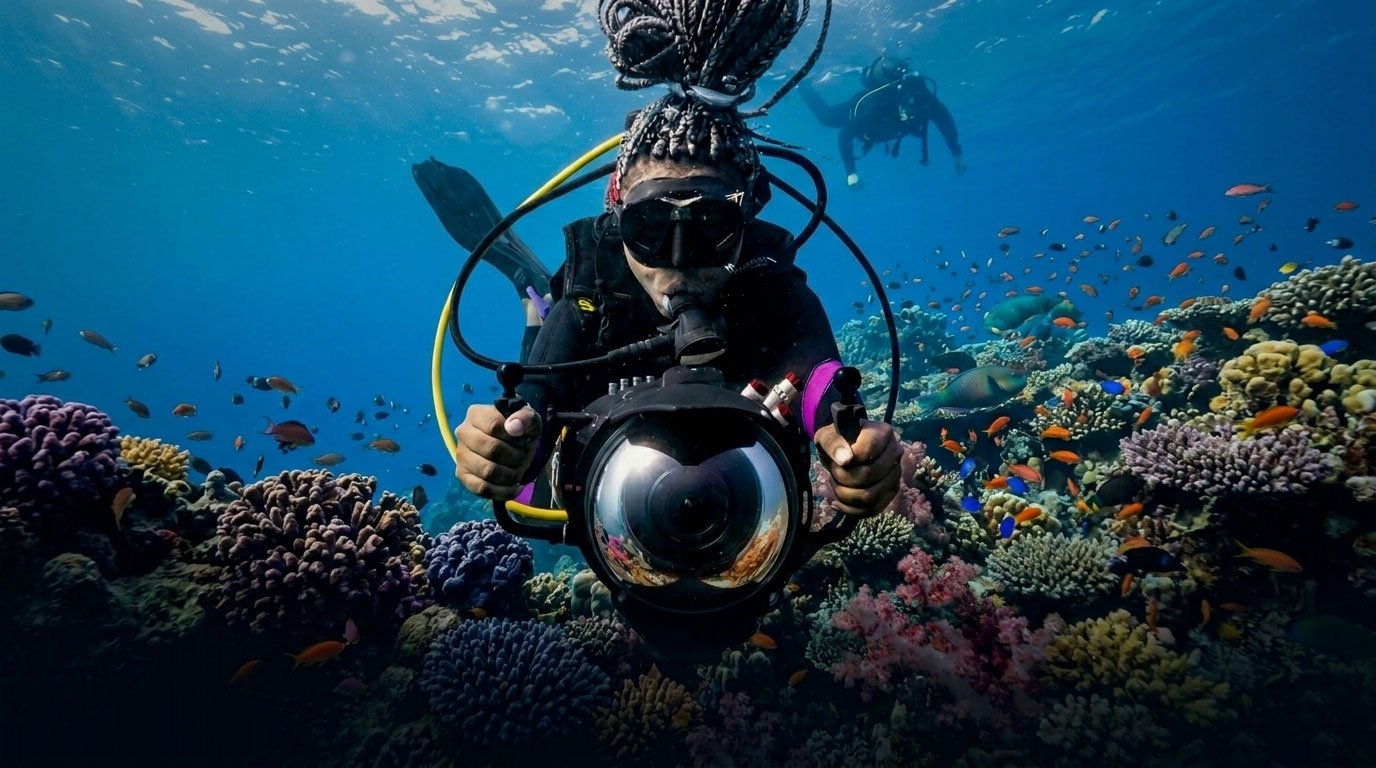
Women are underrepresented in storytelling about nature and wildlife. Through books, poetry, photographs and films, we have heard and seen stories about nature predominantly from a male perspective. This impacts how we interpret nature and our relationship with the Earth. We are working to change this through grants to women storytellers who present alternative ways of looking at nature. As one of our first storytelling grants, we are honored to have had the opportunity to support Nature Through Her Eyes.
Nature Through Her Eyes promotes and celebrates women’s work in the natural world. Through training, support and providing access to professional film and television resources, NTHE supports women so they can tell their stories in a way that is culturally relevant for them.
Superbloom’s funding supports several films in development and production, including Kristina Obame's 'The Last Lion of Gabon’, Kimerudi Motswai's 'The Big Little Things’, Paula Kahumbu's 'Elerai Enkop,' and Erica Rugabandana's 'Born to Cross’.
Kristina Obame says, “The Last Lion of Gabon explores the disappearance of lions from one of Africa’s most unexpected landscapes: the Batéké Plateau, a vast mosaic of savanna and forest in southeastern Gabon. At the heart of the film is the mystery of Gabon’s last surviving lion, a solitary male whose presence raises urgent questions about extinction, memory and the future of wildlife conservation in Central Africa. In this film, conservation is not only about protecting species, but about understanding what their disappearance means for a place, its people and its future. For me, this film is also part of a larger journey as an African woman filmmaker, seeking to speak truthfully within the conservation space and to bring real stories from my homeland to the global stage. Too often, stories from the Congo Basin have been told from the outside, without the voices, memories and identities of the people who come from these landscapes. Our stories matter because they are rooted in the same soil that gives life to the forests, rivers and savannas of this region. Our identities are shaped by the canopy of the Congo Basin, by the land beneath it and by the living world that has sustained us for generations.”
The film is supported by Nature Through Her Eyes, a collective of film professionals working to uplift and mentor emerging female filmmakers in nature and wildlife documentaries. By shedding light on the lens of the female gaze, the initiative creates space for new voices, new authorship and more intimate ways of telling stories about the natural world
Superbloom funding will also help support two new teaching programs for emerging film makers this year: one in the Balkans, in partnership with UNESCO, the City of Sarajevo and the French Institute and to be based out of Sarajevo (Bosnia), the other in South East Asia. There are currently very few women natural history filmmakers in the Balkans region, the teaching programme will be working to equip women with the skills to help protect the region's incredible natural beauty and biodiversity, which are under increasing threat from developers. In South East Asia, Nature Through Her Eyes is working in partnership with SWAG (Singapore WildCat Action Group, a female-led conservation group) and the Earth in Focus Festival.
Leadership for Africa’s Parks (LeAP)
Leadership for Africa’s Parks
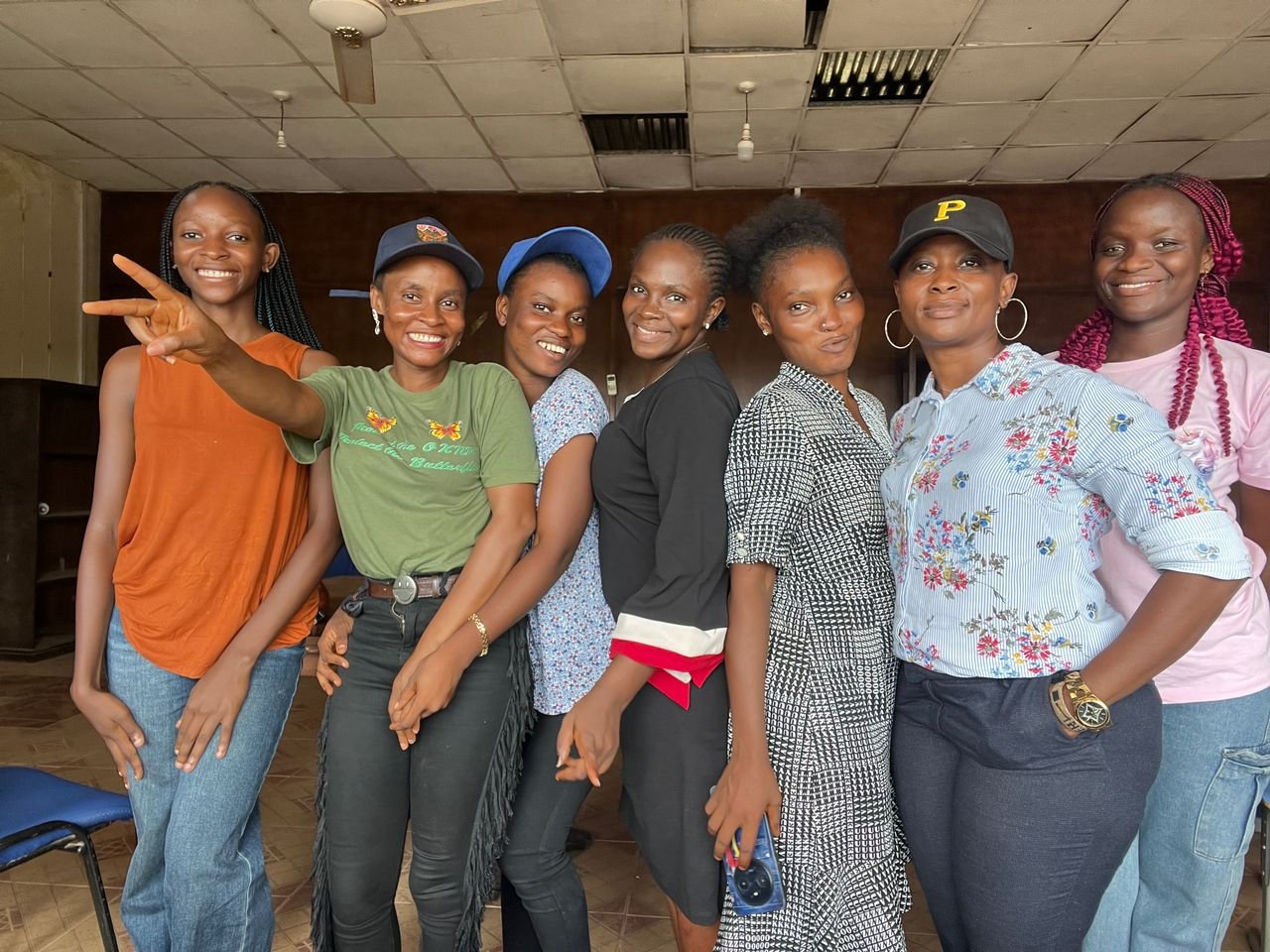
Leadership for Africa’s Parks (LeAP) is a new initiative launched to improve wildlife conservation in Africa’s protected and conserved areas by strengthening training at African wildlife colleges and universities. With four co-founding universities - Rwanda Polytechnic Kitabi College, Garoua Wildlife College in Cameroon, University of Kisangani in the Democratic Republic of Congo, and Njala University in Sierra Leone - LeAP is already LeAPing ahead with training in human rights & conservation and special programs for women. Over time, LeAP will expand to include other universities, ultimately creating a Pan-African network where faculty can leverage their expertise and enhance training across the continent.
Women in all these colleges face special challenges, including systemic barriers to education, cultural norms about marriage and family, harassment, security concerns, and more. Globally, women make up only 15% of environment ministers at the national level. Yet studies show that women’s leadership often leads to more collaborative, transparent, and lasting conservation solutions. Superbloom’s funding to LeAP aligns with our first wave of grants, connecting women so that they can support one another, and facilitating the transfer of knowledge among women and between generations. Superbloom’s 2026 funding supports LeAP’s Women’s Conservation Leadership Program through its monthly webinar series and guest leaders. Each month, successful female African conservation leaders share their journeys, challenges, and successes with female faculty and students, providing guidance on advancing their careers and serving as valuable role models.
One of the highlights of LeAP’s Women’s Conservation Leadership Program this past spring was an in-person discussion at Garoua Wildlife College with two inspiring young female leaders: Aicha Gomeh-Djame and Dr. Agnes Monique Ndame Mioni. Both of these women are Fellows with the MENTOR-Bat program supported by USFWS and Bat Conservation International as part of a team of experts promoting bat conservation and understanding of One Health - an initiative that recognizes that the health of people, animals and the environment are interconnected. Afterward, Aicha described a “strong moment with the conservation female students.” She shared how she had “the honour of sharing my journey in conservation…with these young women who fight every day to find their place in a field that is still very masculine. I also learned from these exceptional girls.” Her takeaway? “We all face the same realities, the same difficulties. And no, it’s not always obvious. But that’s exactly why we have to talk about it and persevere.” Lecturer Adeline Ndim, who coordinates the LeAP Women’s Conservation Leadership Program at Garoua, agreed. “Indeed it was a very wonderful time we shared. The students, even after a very tiring day…were excited to listen…”
With this network of support and other programs, LeAP is helping to guide women to success and increase the number of African female conservation leaders.
LeAP is a Project of Nature For Justice.
Perspectives
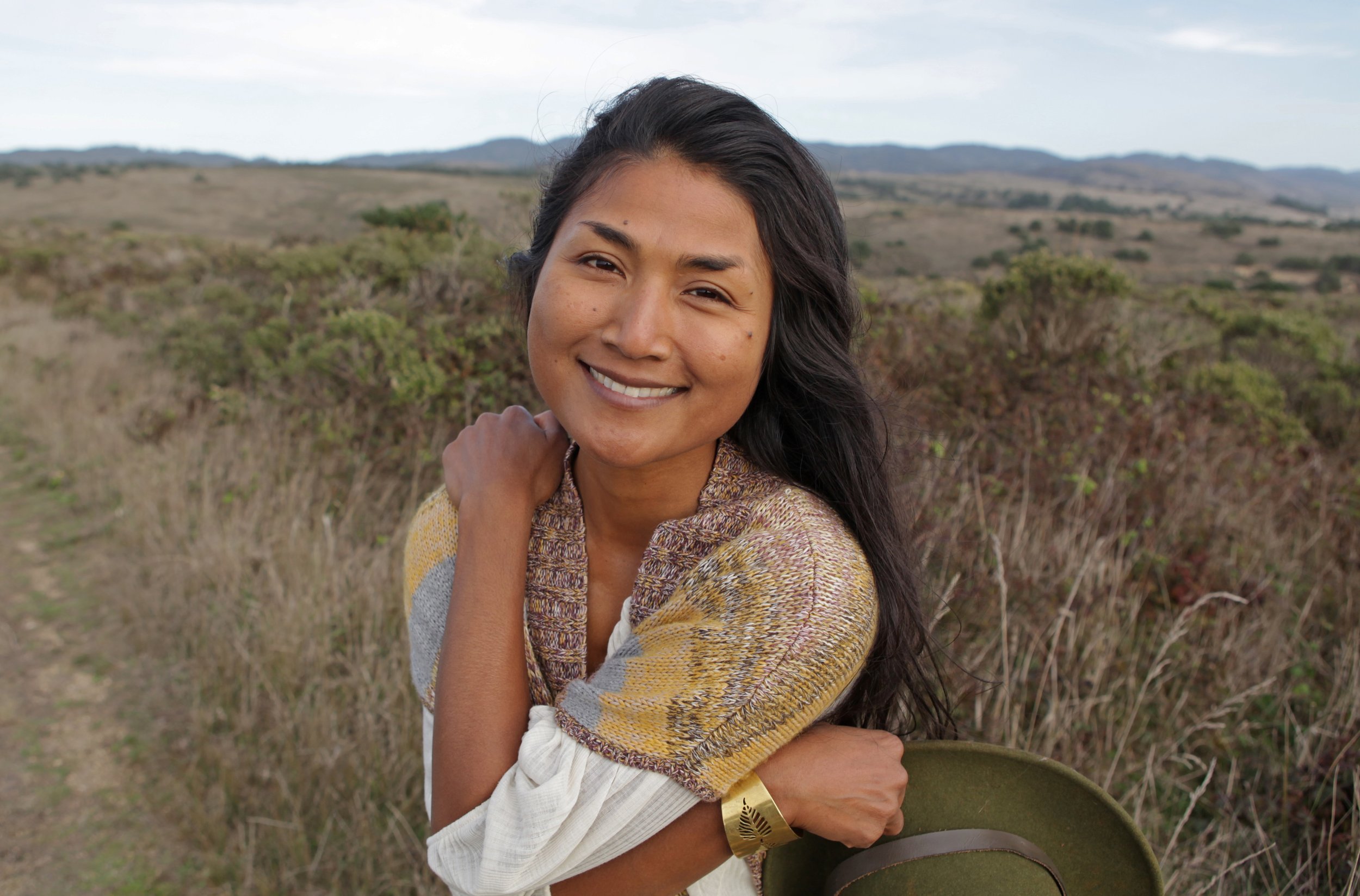
We are honored to have Kalyanee Mam as one of Superbloom’s advisors. Kalyanee is an award-winning Cambodian-American filmmaker and storyteller whose work explores the connections among people, culture, and the natural world. Her acclaimed documentary A River Changes Course won the Grand Jury Prize for World Cinema Documentary at the Sundance Film Festival and brought international attention to the impacts of rapid development on Cambodia’s communities, forests, and rivers. Through films such as Lost World and Fight for Areng Valley, she has combined art and advocacy to amplify local voices and support the protection of ecosystems, Indigenous cultures, and traditional ways of life.
The Superbloom Effect by Kalyanee Mam
As a documentary filmmaker I've depended entirely on grants to support and fund my work. The grants I felt most supported by were those with which I developed the most long-lasting relationships—relationships I still nurture today. When Rebecca, founder of SuperBloom, asked me to join the advisory circle, we discussed current grantmaking and philanthropic practices and the type of grantmaking we hoped to support. Our conversation was inspired by the organization's namesake: Superbloom.
A superbloom is a rare botanical phenomenon in desert and semiarid ecosystems where an unusually large number of dormant seeds germinate and blossom simultaneously. A superbloom depends on the precise alignment of five critical elements: 1) a stocked seed bank; 2) early, deep soaking rainfall; 3) consistent follow-up moisture; 4) mild stable temperatures; and 5) calm winds and no competition. In my area, with an optimal mixture of rainfall, sun, moisture and calm winds, carpets of wildflowers—some I've never seen before—emerge seemingly out of nowhere.
If critical elements align to create a superbloom can we also create and nurture the optimal conditions for a superbloom effect in grantmaking and philanthropy? For this to happen, grantmaking must move beyond a top-down, gift-giving, or even mutual benefit approach. Grantmaking must be relationship-based and community-centric while contributing to local and systemic change. Grantmaking must also support women who are more likely to nurture and support their local communities.
Historically, philanthropy has often been extractive and hierarchical, benefiting communities outside those directly impacted and prioritizing expert opinion over the needs and wishes of local communities. Impacted communities were viewed as the fortunate beneficiaries of these grants. In relationship based grantmaking, it is an honor and a gift for grantors to contribute and be part of the journey with grantees.
Just as a superbloom cycle takes at least ten years to occur, relationship-based grantmaking requires both grantors and grantees to commit long-term to community-centric programs and ideas, ready to germinate, and grow. Resources—financial, human, and in-kind—are contributed early on with consistent follow-up. Both parties are dedicated to understanding and learning from one another, especially regarding the communities they are connected with and aim to support. Grants bring grantors and grantees together to learn how they can complement and amplify voices rather than compete for limited resources.
Community-centric grantmaking means resources benefit communities and create long-term community impact. Instead of centering grants on projects or the wishes and desires of grantors and philanthropic organizations, grants are awarded based on community needs and community-based decision-making. Community based funding is also trust-based. There is trust that community members are the experts and know what is best for them and their communities.
Grants are awarded qualitatively, especially to women, to support sustained work within local communities that have far-reaching impact, contributing to both local and systemic change. When flowers bloom, birds, bees, and other pollinators also benefit. The abundance spreads, creating a ripple effect throughout the community and beyond. Seeds are resown for future generations, preparing for other superbloom cycles to begin.
At first, donors might feel risk-averse to this kind of grantmaking. They may feel a loss of control over the goal or the end result. Forging relationships may also feel new and scary. Relationship based and community centric grantmaking invites donors to lean into the process, enjoy the journey with their grantees, make mistakes and learn along the way, and potentially nurture and develop lifelong friendships.
A friend recently shared with me that whenever she feels hopeless, she remembers her grandmother's words: "Get out there and help someone else. You'll feel better.”
In an age of isolation and extreme disconnection, sowing the seeds for relationship-based and community-centric grantmaking—which offers us an opportunity to contribute to something greater than ourselves—might be exactly what we need.
Seeds of Change (ideas that are changing how we think)
I recently read a report that gave some good advice not only about who we fund but how we fund as well.
RRI and Women in Global South Alliance (WiGSA) asked the question, “Is Global Funding Reaching Indigenous, Afro-descendant, and Local Community Women?” The answer is “no," and their report provides the research to demonstrate why.
Despite being critical stewards of forests, biodiversity, and climate resilience, Indigenous, Afro-descendant, and local community women remain severely underfunded and many of the organizations WiGSA interviewed were surviving on little or no core funding, short-term grants and volunteer labor. They found that:
“Afro-descendant women or Afro-descendant women within mixed organizations have annual budgets that, on average, are less than half of those of other analyzed organizations. 85% of member organizations receive short-term grants of less than 24 months, 38% of organizations report having no savings or reserves, and 67% may go on for only up to 6 months without additional external funding.”
The findings highlight the urgent need for core funding and multi-year investments in women-led organizations. This is the funding gap that the Superbloom Fund seeks to address.
There was something else in the report that changed the way I think about how grants are selected. Before reading this report, I always thought that open calls for proposals leveled the playing field since anyone could apply. When I was a grantee looking for funding, I used to feel a great deal of frustration when I thought my work was a perfect fit for a particular donor, but because they refused unsolicited proposals, I had no way to present an idea to them. What I learned from reading the RRI-WiGSA report is that open calls for proposals also pose significant barriers to grassroots women-led organizations.
WiGSA explains that open calls for proposals can place a tremendous burden on small women-led organizations with limited staff, fundraising capacity, and time. Applications are often online, in English only, which already excludes several organizations. Organizations often spend an inordinate amount of time applying for highly competitive grants that they are never awarded. Instead, RRI and WiGSA suggests that funders should adopt more flexible trust-based application processes “based on relationships, invitations, and simplified proposals."
Project research lead Omaira Bolaños states, “Climate and conservation finance must be gender-inclusive and recognize the invaluable roles and contributions that Indigenous, Afro-descendant, Pastoralists, and local community women play in climate and conservation action, in preserving traditional knowledge and livelihoods, and in strengthening gender justice in tenure rights movements. In turn, this financing should strive to prevent and mitigate the adverse impacts of climate change and biodiversity loss on the lives of women and their communities.”
We are taking these suggestions to heart to guide Superbloom’s giving.
Project research lead Omaira Bolaños states, “Climate and conservation finance must be gender-inclusive and recognize the invaluable roles and contributions that Indigenous, Afro-descendant, Pastoralists, and local community women play in climate and conservation action, in preserving traditional knowledge and livelihoods, and in strengthening gender justice in tenure rights movements. In turn, this financing should strive to prevent and mitigate the adverse impacts of climate change and biodiversity loss on the lives of women and their communities.”
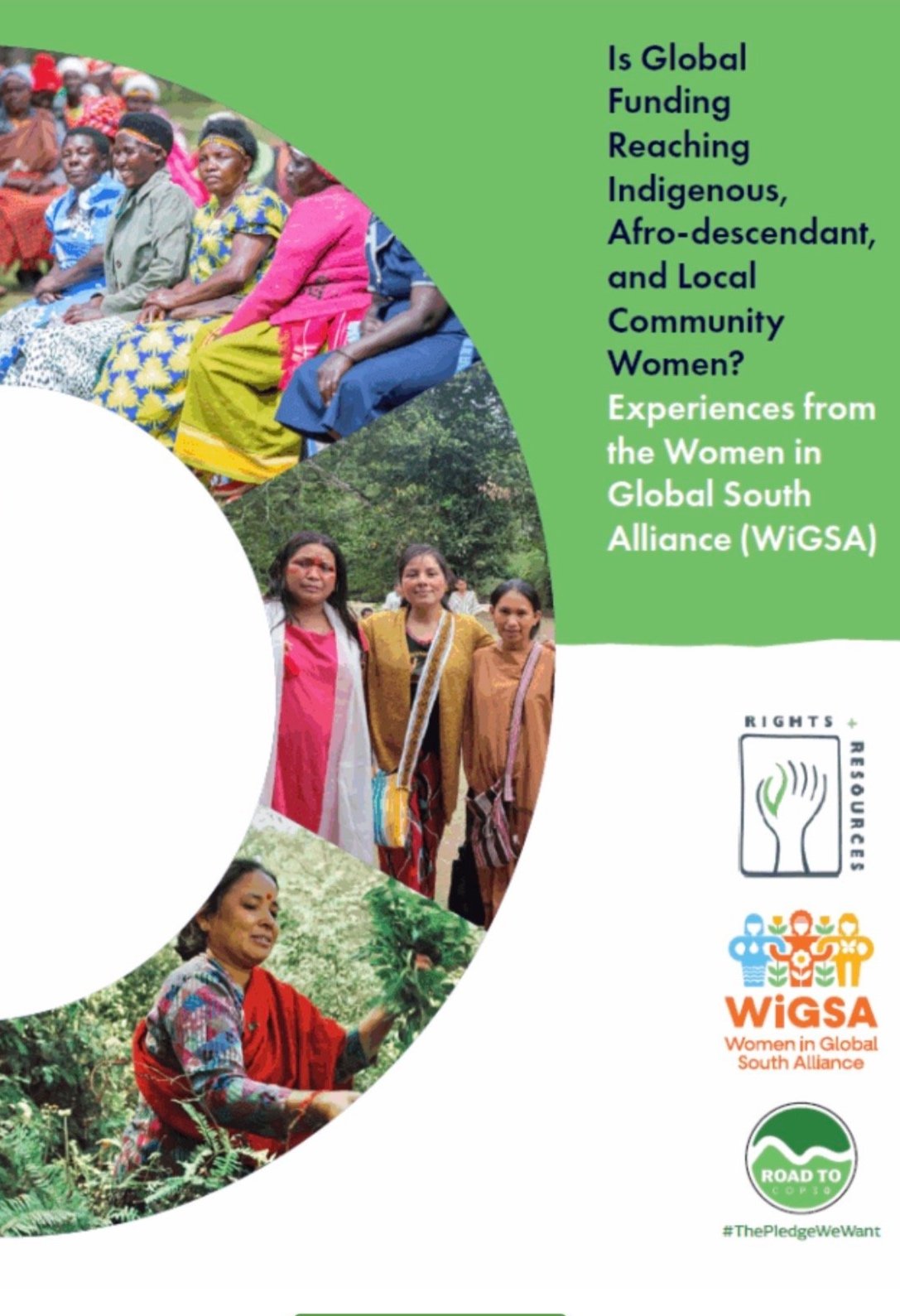
Is Global Funding Reaching Indigenous, Afro-descendant, and Local Community Women? Experiences from the Women in Global South Alliance (WiGSA)
Author: Rights and Resources Initiative and Women in Global South Alliance
Date: August 27, 2025
Link: https://rightsandresources.org/publication/wigsa-funding-report-2025/
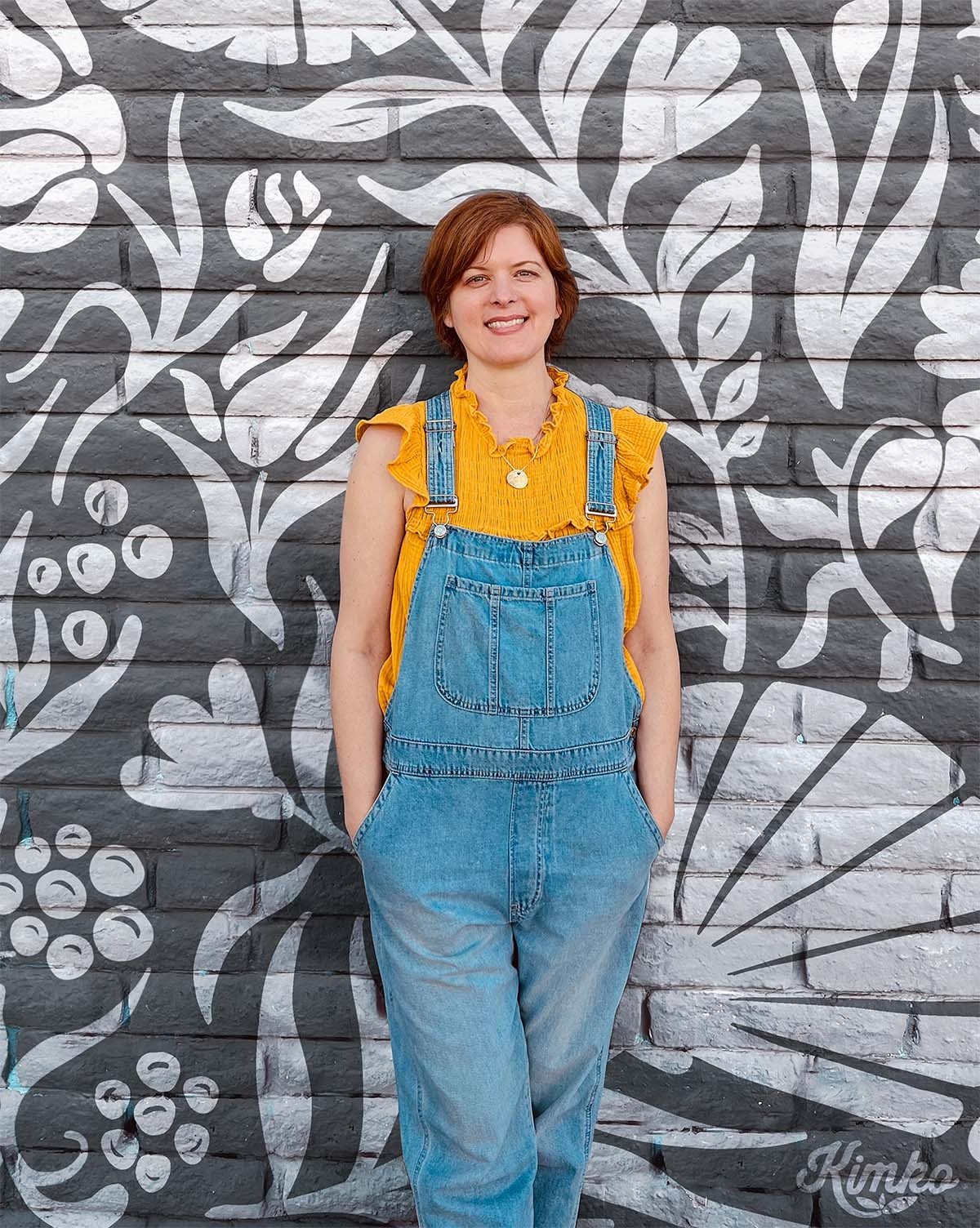
Kim Koehler
Artist Spotlight
I am incredibly excited to highlight the stunning work of artist Kim Koehler. We are so grateful to Kim for designing Superbloom’s beautiful logo and providing a series of Superbloom Flowers for us to scatter throughout our communications. We reached out to Kim because we wanted a design that was beautiful and strong, and Kim’s work embodies this perfectly.
Kim is passionate about sharing her love of nature. She says,
“I believe in finding the magic in everyday moments—especially in nature. I draw inspiration from the world outside, from the intricate patterns of leaves and the quiet presence of wild creatures to the ever-changing landscape. Through my art, I aim to capture that sense of wonder and bring it into daily life.”
Not only did Kim support Superbloom through her beautiful artwork, but she also gently guided me through the use of CANVA, Mailchimp, and Instagram to help launch Superbloom into the world. Kim nourished the seeds of Superbloom into full flowering and we will be forever grateful!
You can learn more about Kim’s work on her website here: https://kimko-design.com and follow her on Instagram.
Superbloom’s vision is a collective flourishing - an impact that extends far beyond what any one of us could achieve alone.
Together, we can create a Superbloom for women and nature.
We look forward to hearing from you!