Species are the of building blocks of ecosystems everywhere
Biodiversity is a term used to describe the diversity of life on Earth. Ecosystems are made up of species, each with its own niche and role within the functioning ecoystem. Fungi, bacteria, fish, amphibians, are all critical players in this web of life. Wildlife species, such as lions, elephants, orcas, and wolves, have vital roles in these broader ecosystems. They are often umbrella species with geographic ranges that overlap many regions of the world where biodiversity is at great risk. They are also often outstanding flagship species for conservation; they are charismatic and can help stimulate awareness, action and funding.
Biodiversity
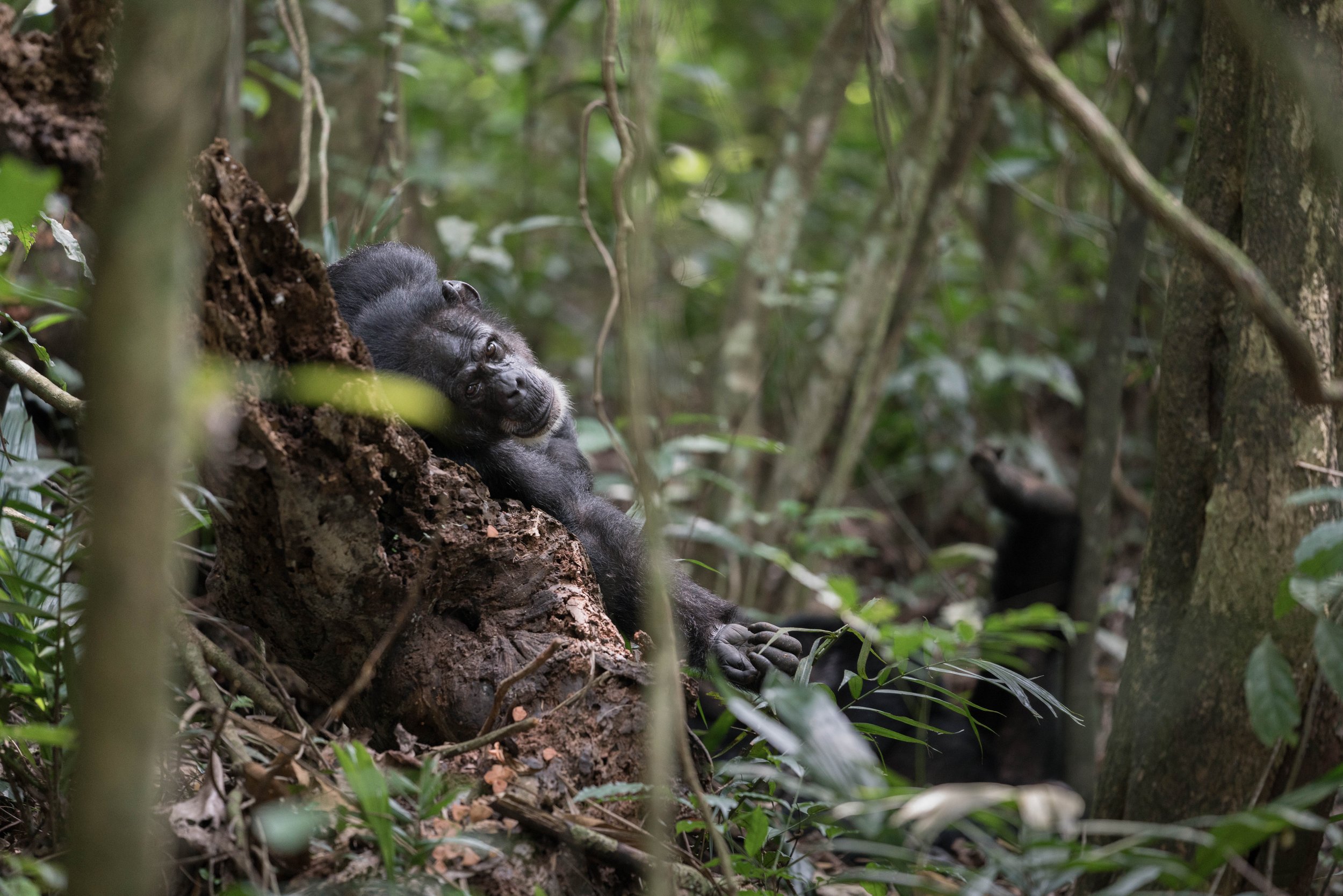
The diversity of species is what gives are planet resilience
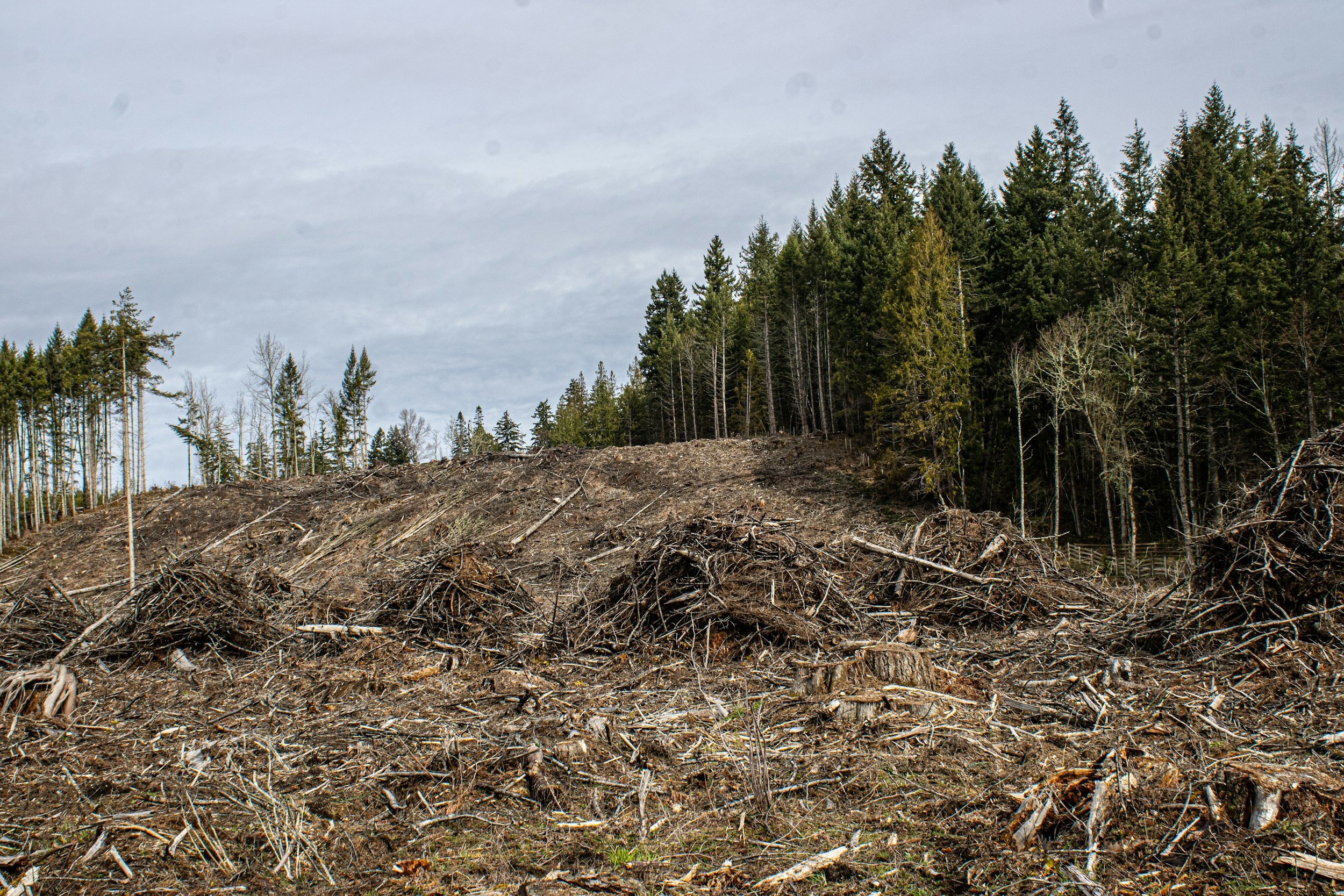
But biodiversity is declining faster than at any time in history
28%
of all species assessed by IUCN are threatened with extinction
-IUCN Red List
69%
average decline in wildlife populations globally in the past 50 years
-WWF’s Living Planet Report 2022
The good news is that women are leading efforts to protect biodiversity and ecosystems worldwide. The bad news is that very little funding goes to them. The vast majority of funding to women is directed towards sustainable agriculture. While agriculture is an important reason for biodiversity loss; it is not the only one. Women play a critical role in food production, but we are also more than this. We are also scientists. We are also rangers. We are also researchers and advocates, and we play critical roles in decreasing wildlife-human conflicts. Because sustainable agriculture is already receiving funding, we aim to support in the area of biodiversity conservation; where very few funds are directed at present. We fund projects that support the protection and recovery of species with a focus on healthy, thriving ecosystems.
Where Your Support Is Needed
Chimpanzee Conservation
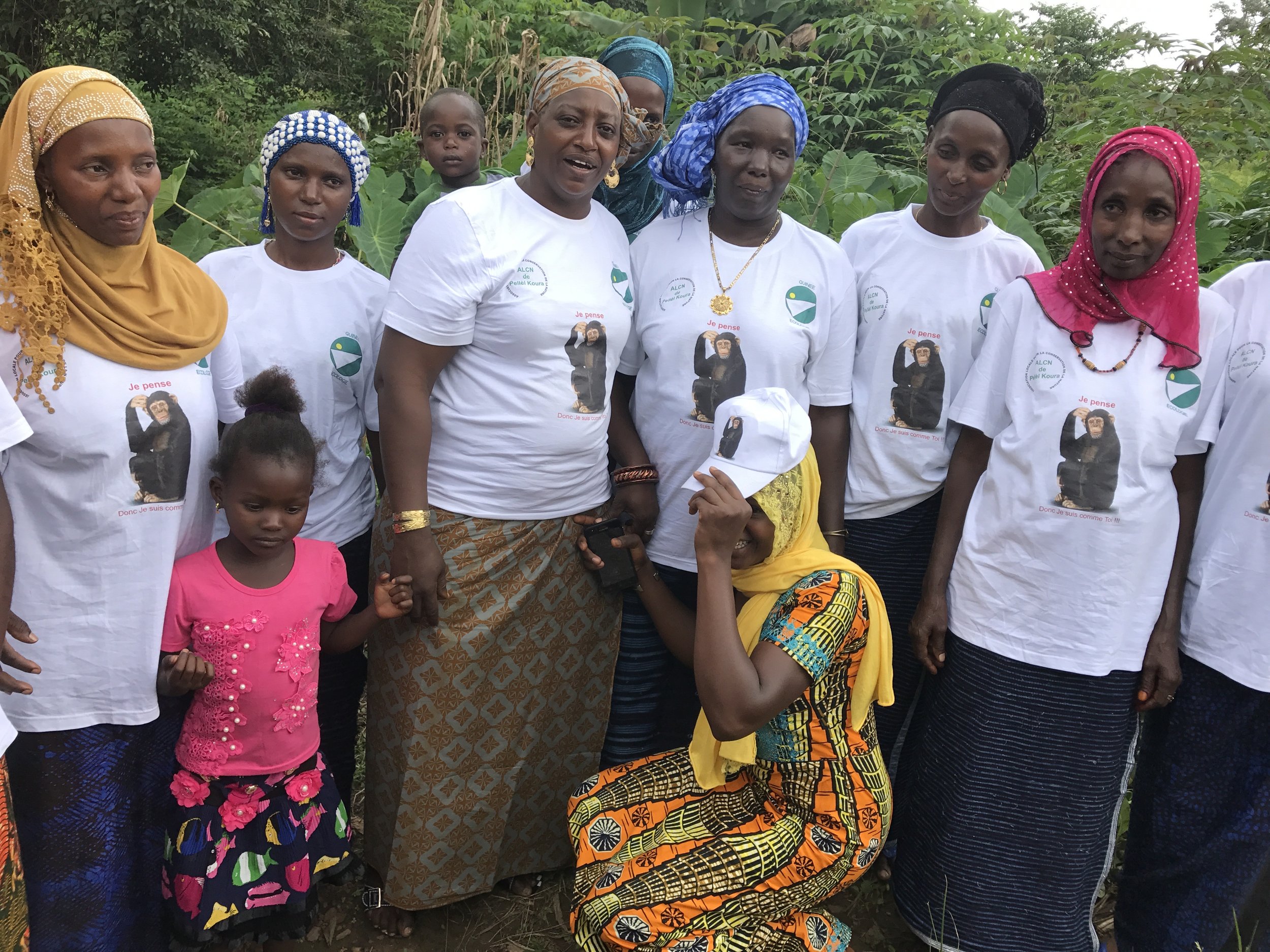
In the Fouta Djallon highlands of Guinea, people and chimpanzees have lived in peaceful coexistence for centuries. As a result, this region is home to the largest concentration of chimpanzees in West Africa. Often called "The Water Tower of West Africa" or “Thousand Rivers," the Fouta Djallon is also home to the source of over 20 major rivers in the region, including the Niger River, Senegal River, and Gambia River. Deforestation, poaching and mining are now threatening both the future of chimpanzees and the health of the rivers. Women in Kata village have organized to protect the remaining forests around their village, where chimpanzees still remain, and to reforest and protect forest corridors between forest blocks.
Ramatoulaye Diallo leads the women of Kata village and they are supported by the oldest and longest-running environmental nonprofit in Guinea - Guinée Écologie.
Guinea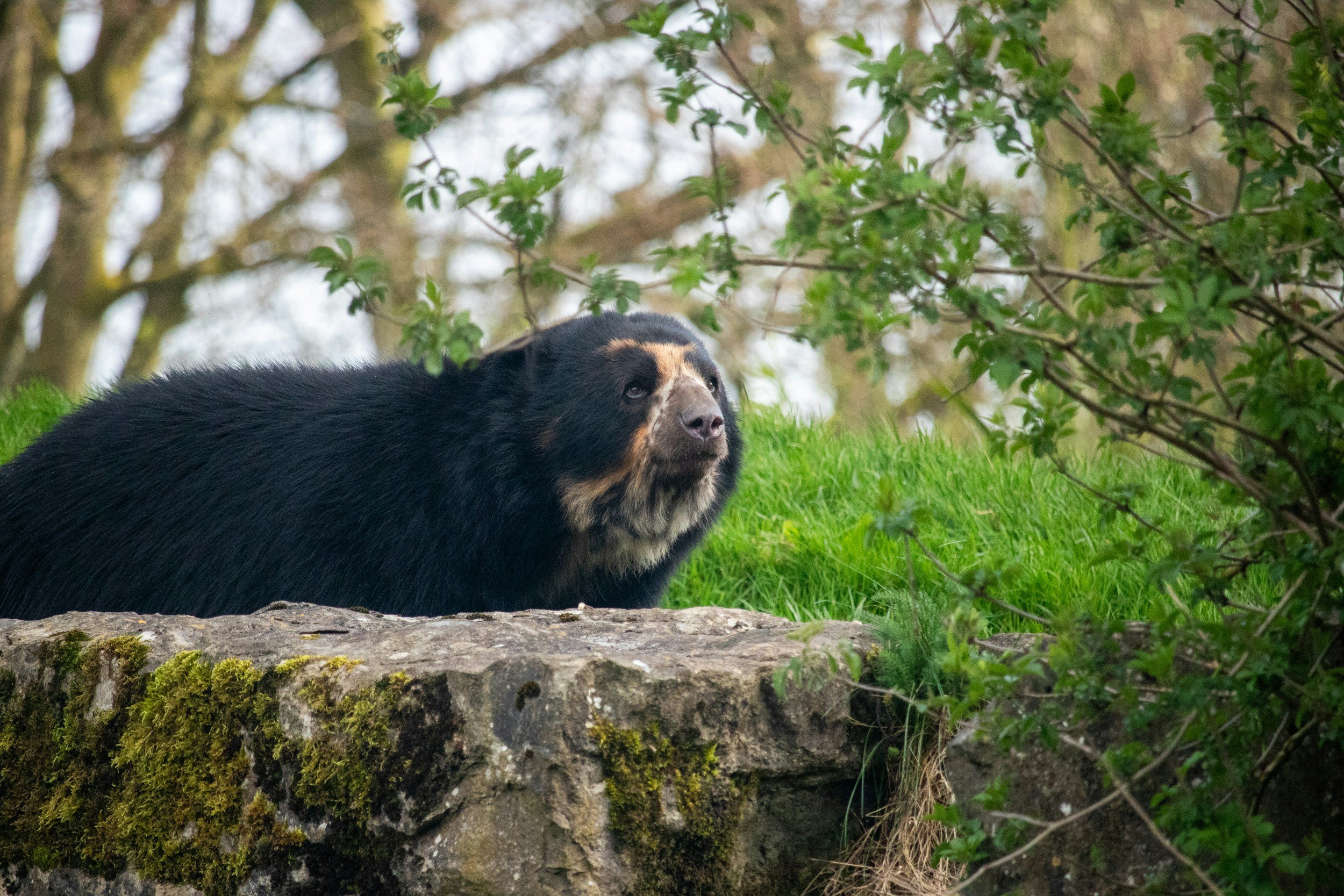
Spectacled Bear Conservation
Spectacled (or Andean) bears (also called Andean Bears) are threatened by habitat loss, habitat fragmentation and human-wildlife conflict. Spectacled Bear Conservation aims to conserve and protect spectacled bears and their habitat in Peru through scientific research, education, and collaboration with local communities, government, and landowners.
Robyn Appleton is the Founder and President of Specatled Bear Conservation.
Peru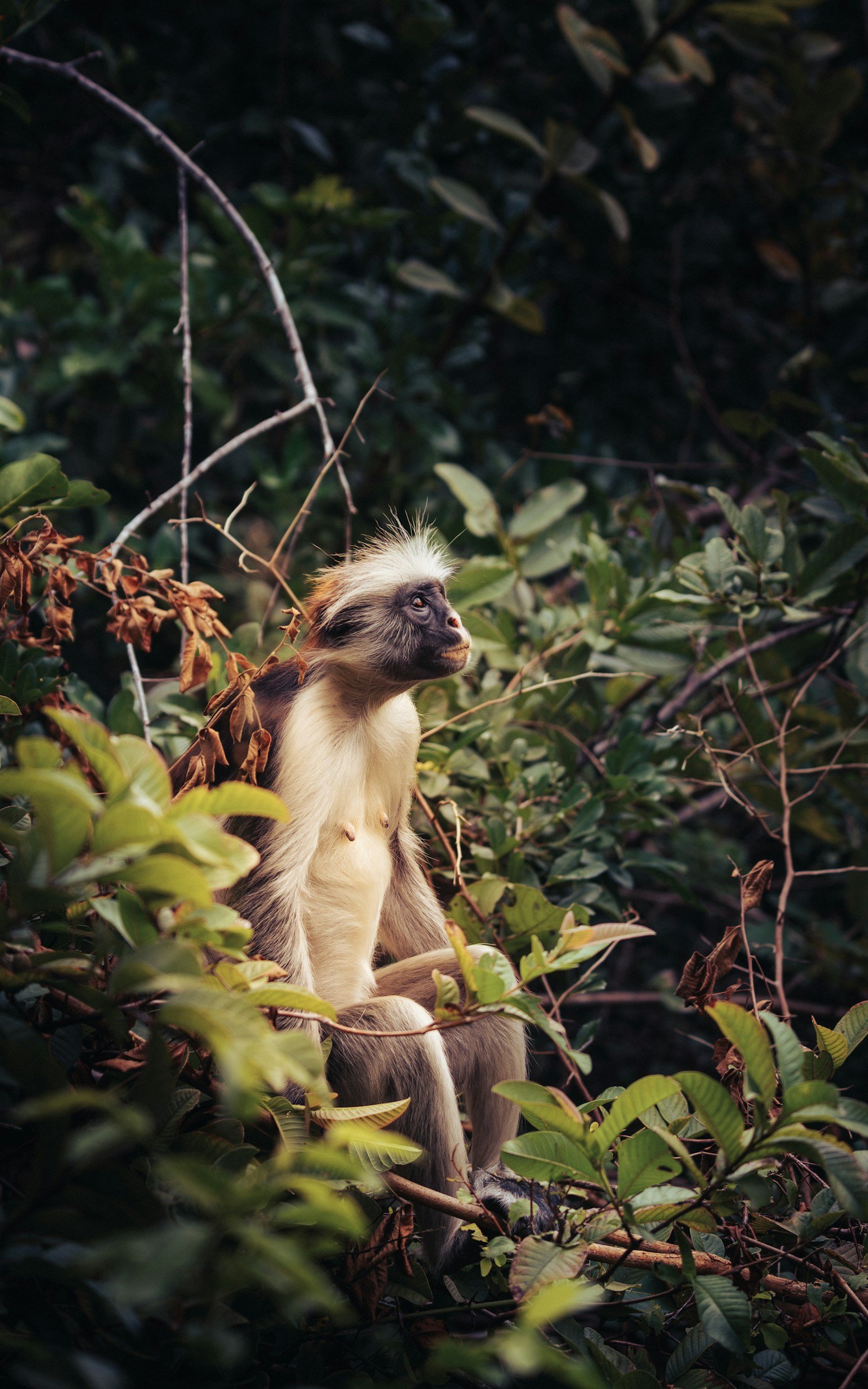
The Niger Delta red colobus is a Critically Endangered monkey found ony in Bayelsa State in the Niger Delta. The Southwest Niger Delta Forest Project works to establish and manage new protected areas within the Ise Forest and the Apoi community forest. Protecting critical habitats for Red Colobus hasitical habitats for other species, including pangolins, Westle, grey parrot, the Benin potto, Nigerian white-throated monkeys, red-capped mangabeys, Nigerian putty-nosed monkeys, and African crocodiles, enabled them to also protect cr among so many others.
Rachel Ashegbofe Ikemeh is the co-founder and director of the Southwest Niger Delta Forest Project. She is a Nigerian conservationist who won a Whitley award in 2020.
NigeriaRed Colobus Conservation
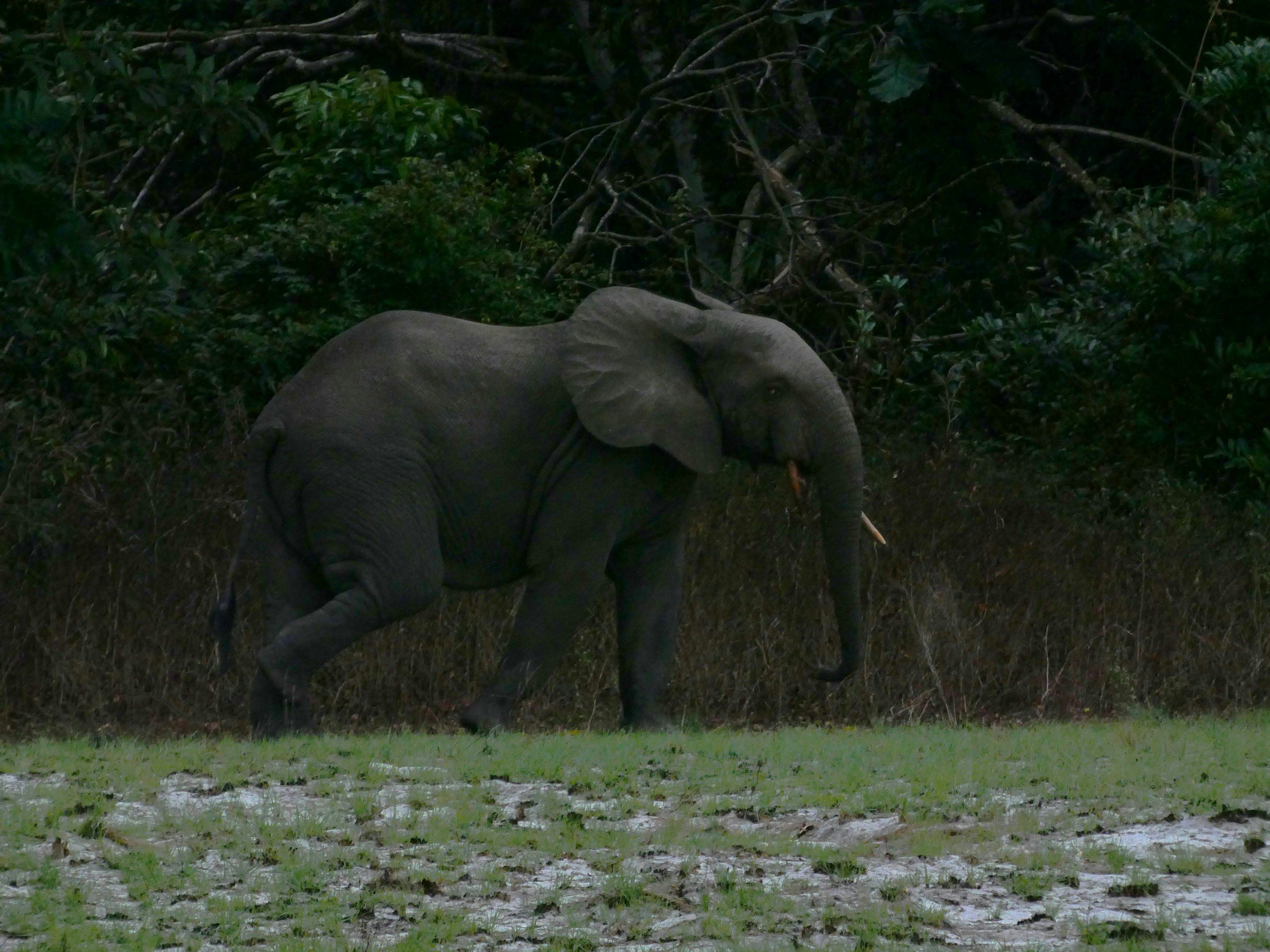
Elephant Conservation
There are two genetically different African species: the savanna elephant and the forest elephant. The African savanna elephant is the largest elephant species. Kenya has one of the largest populations of African savanna elephant on the continent. The smaller African Forest elephant lives in Central and West Africa. Both are Critically Endangered. Gabon is home to the largest population of the African Forest Elephant.
WCN: “Seratu Aatai believes that through rigorous research, they can both expand knowledge about elephant ecology and improve the livelihoods of people who coexist with elephants. In the past, there has been no reliable information about the size of the Kinabatangan elephant population. Seratu Aatai is changing this through a range of methodologies from bioacoustics monitoring to analysis of elephant fecal samples. By better understanding elephant behaviors, Seratu Aatai can proactively improve conservation interventions.
“
Kenya, Gabon and Borneo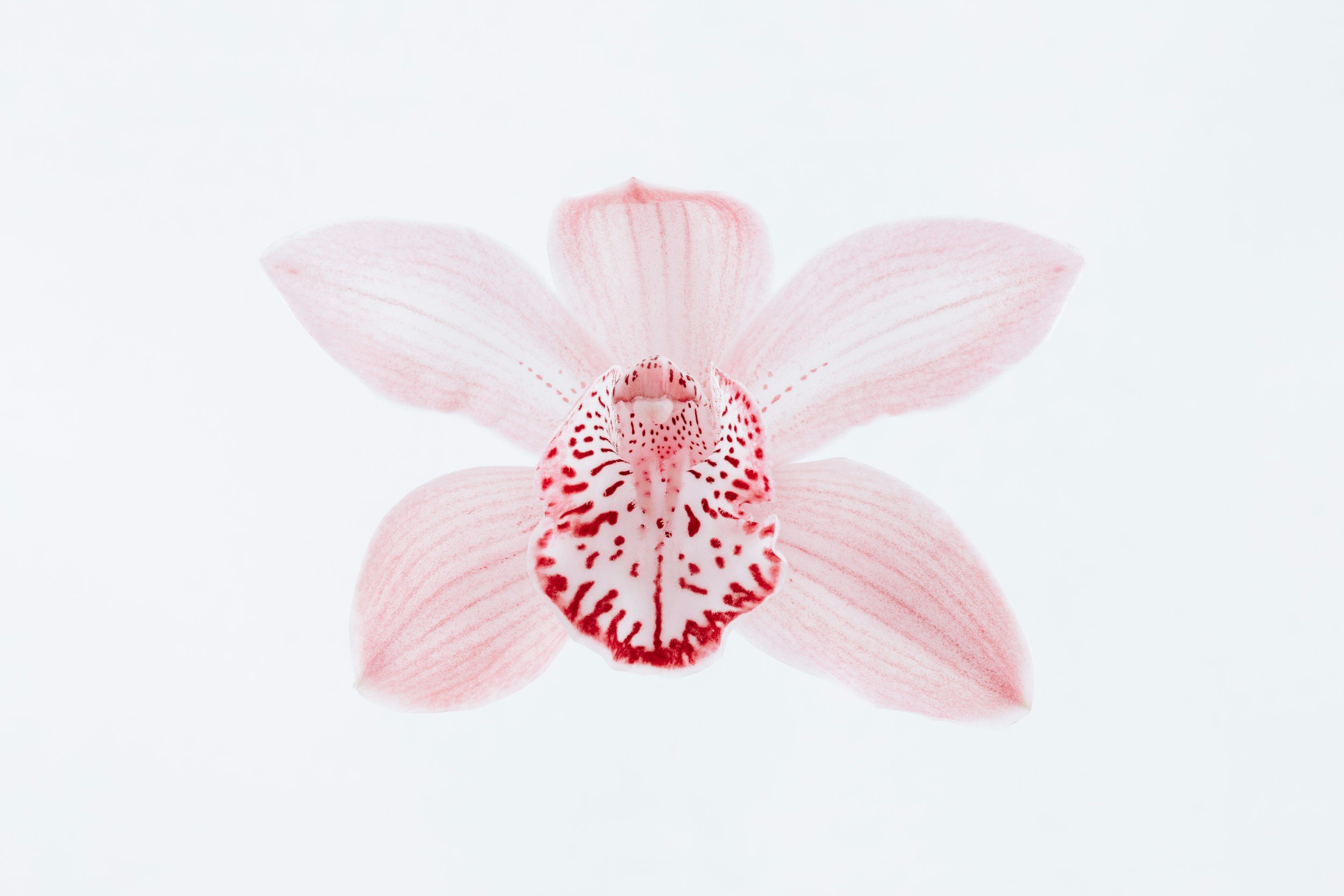
Orchid Conservation
Nepal hosts over 500 species of orchids and more than 100 of them are harvested for traditional medicine cultures. Others are harvest for ornamental plants and even as feed for livestock. Many communities also depend on them for livelihood. Reshu Bashyal is a Research Fellow at Greenhood Nepal and is a 2025 winner of the Whitley Award.
Nepal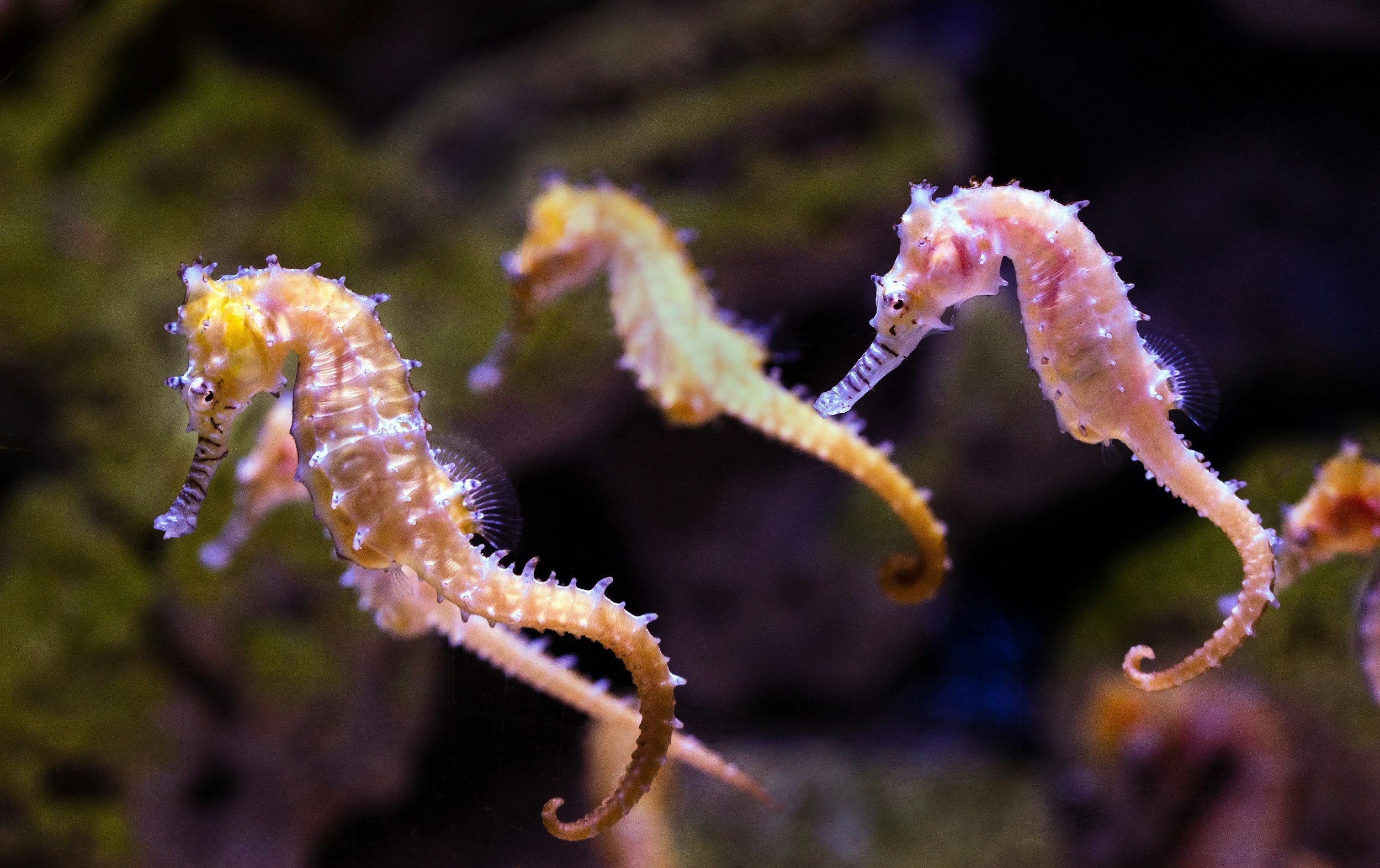
“Get it right for seahorses and we will help save coastal seas. These quirky fishes are notable for their odd shapes, male pregnancy and faithful pairings. About 46 species, from little to large, live along the world’s tropical and temperate coastlines. Seahorses are threatened by fishing gears, including bottom trawls and seine nets, that trap all life willy nilly. Seahorses also perish when we damage or destroy their lovely coastal habitats. These same threats are assaulting most life in our seas.”
“Our Project Seahorse actions will safeguard iconic seahorses… and thousands more species too. We place seahorses at the centre of our conservation efforts because their future will respond to many layers of pressures and many layers of solutions. By saving seahorses we will save the seas on which all life depends.”
GlobalSea Horse Conservation
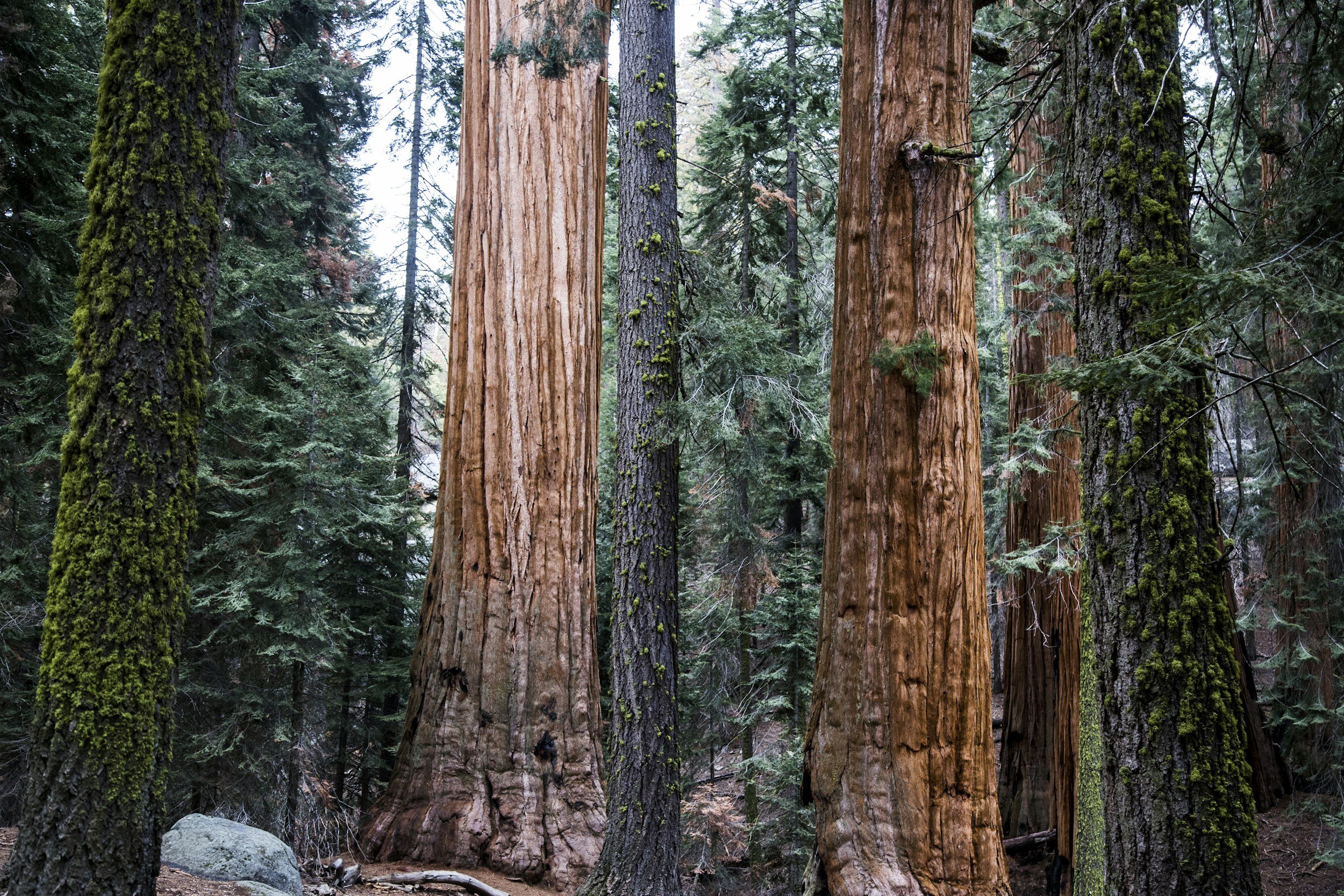
Old Growth Forest
The Mother Tree Project
Canada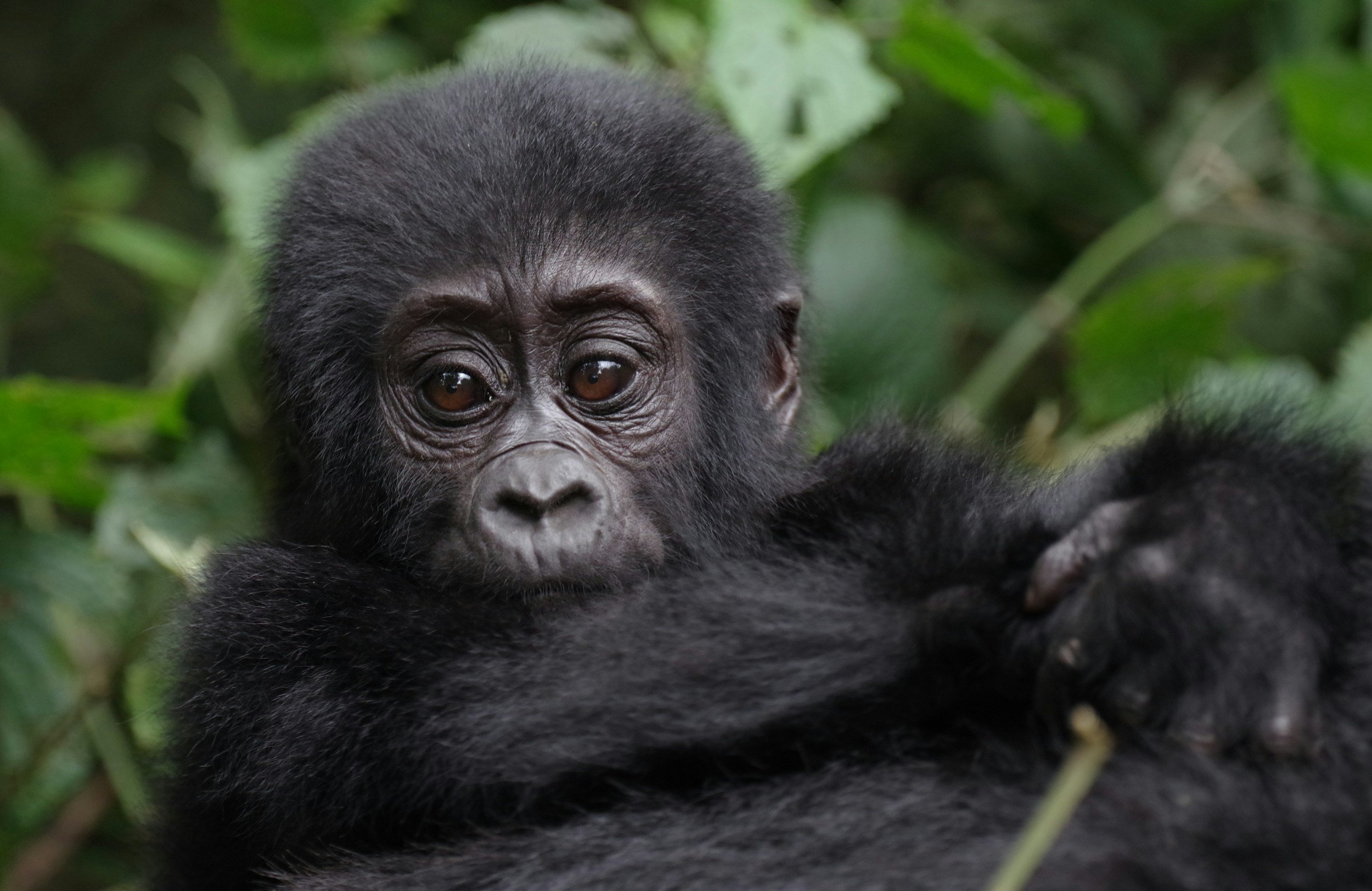
Gorillas
Uganda, DRC and RwandaConservation Through Public Health, Imbereheza Gahunga and the Diane Fossey Gorilla Fund
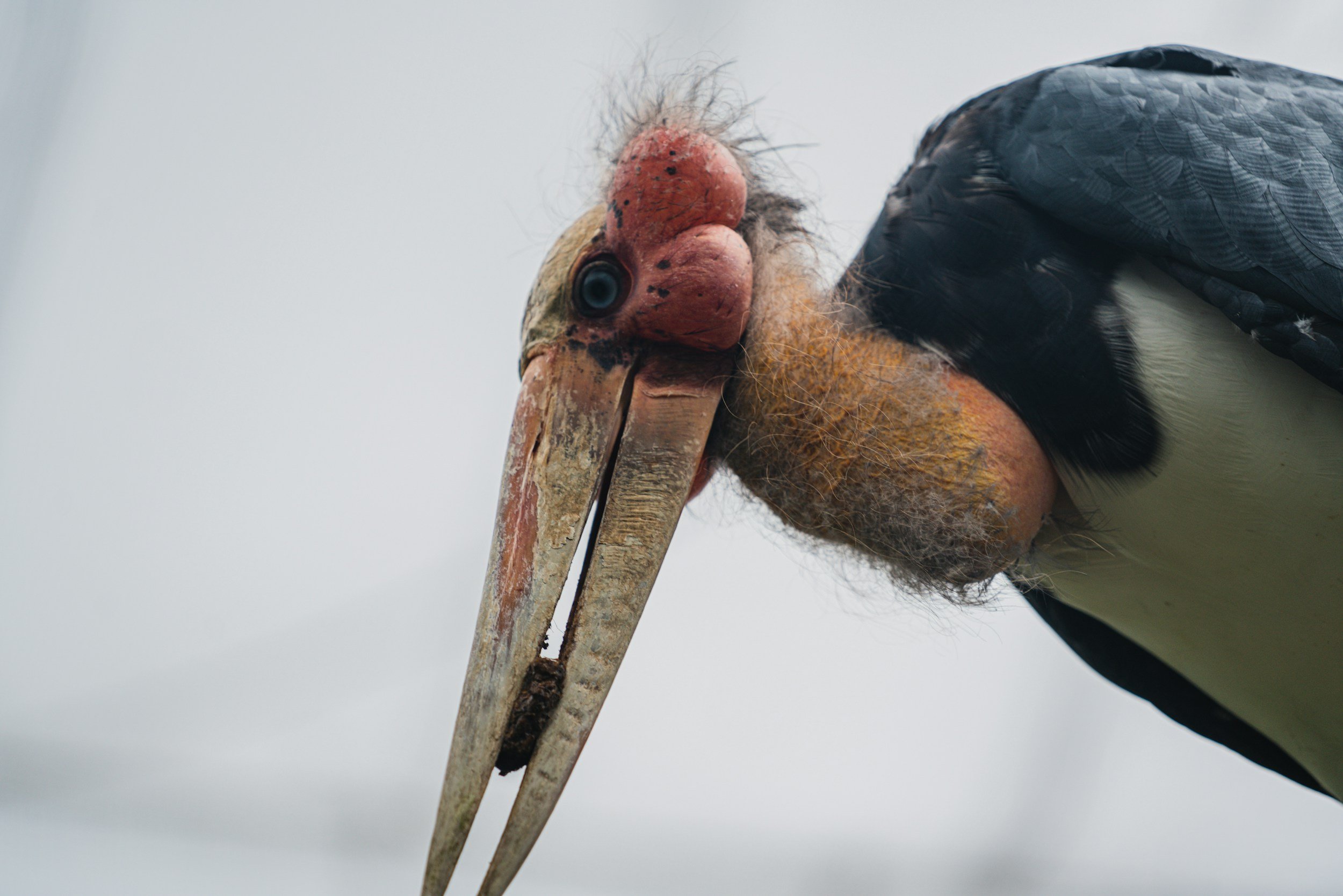
The Hargila Army is a remarkable, all-women conservation movement in Assam, India, led by biologist Dr. Purnima Devi Barman, dedicated to saving the endangered Greater Adjutant stork (called hargila) from extinction. These "Stork Sisters" protect nesting trees, monitor nests, raise awareness, and rebrand the scavenger bird as a cultural symbol, successfully quadrupling its population and leading to its reclassification from "Endangered" to "Near Threatened".
IndiaHargilla Stork
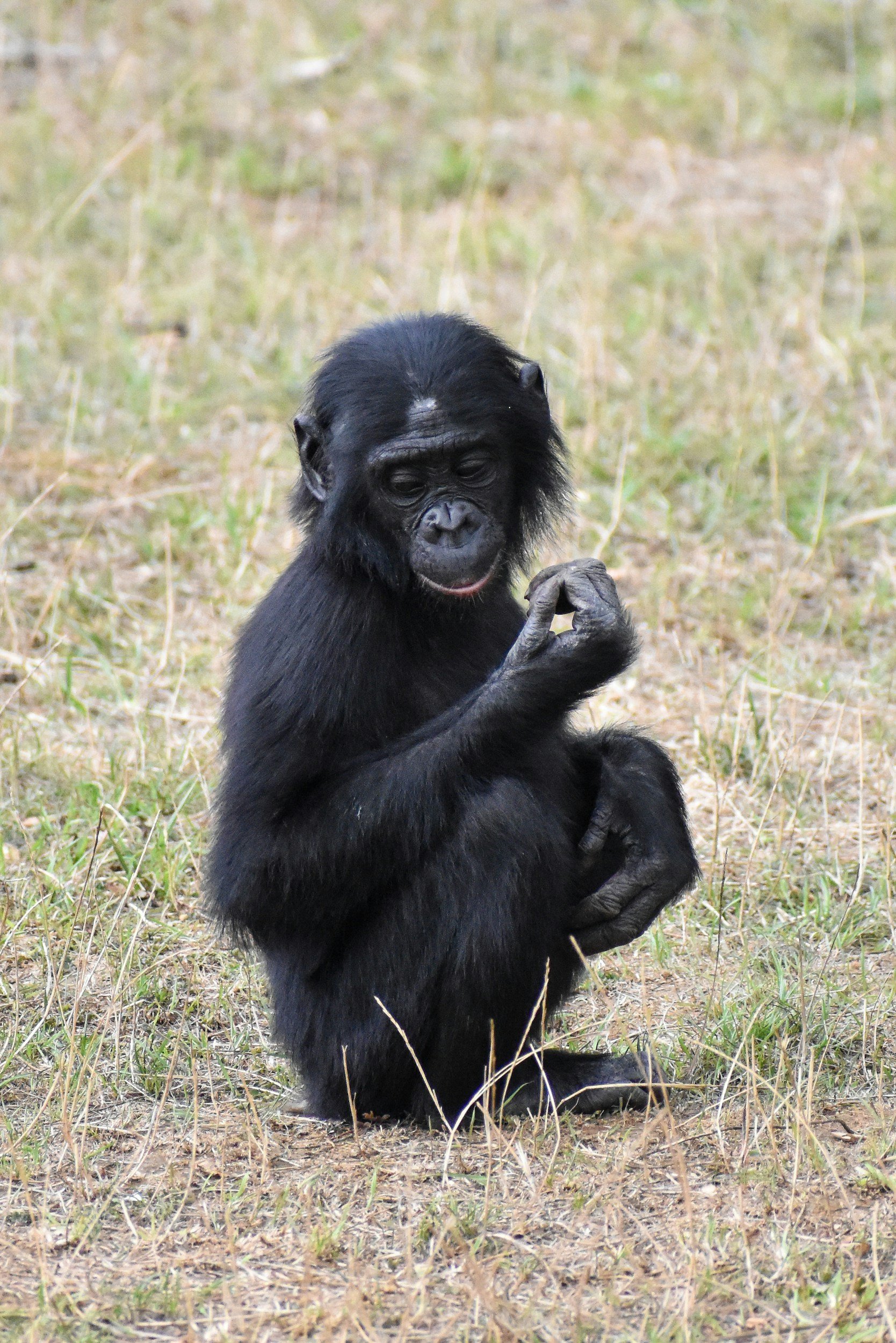
Bonobos
Friends of Bonobos
DRC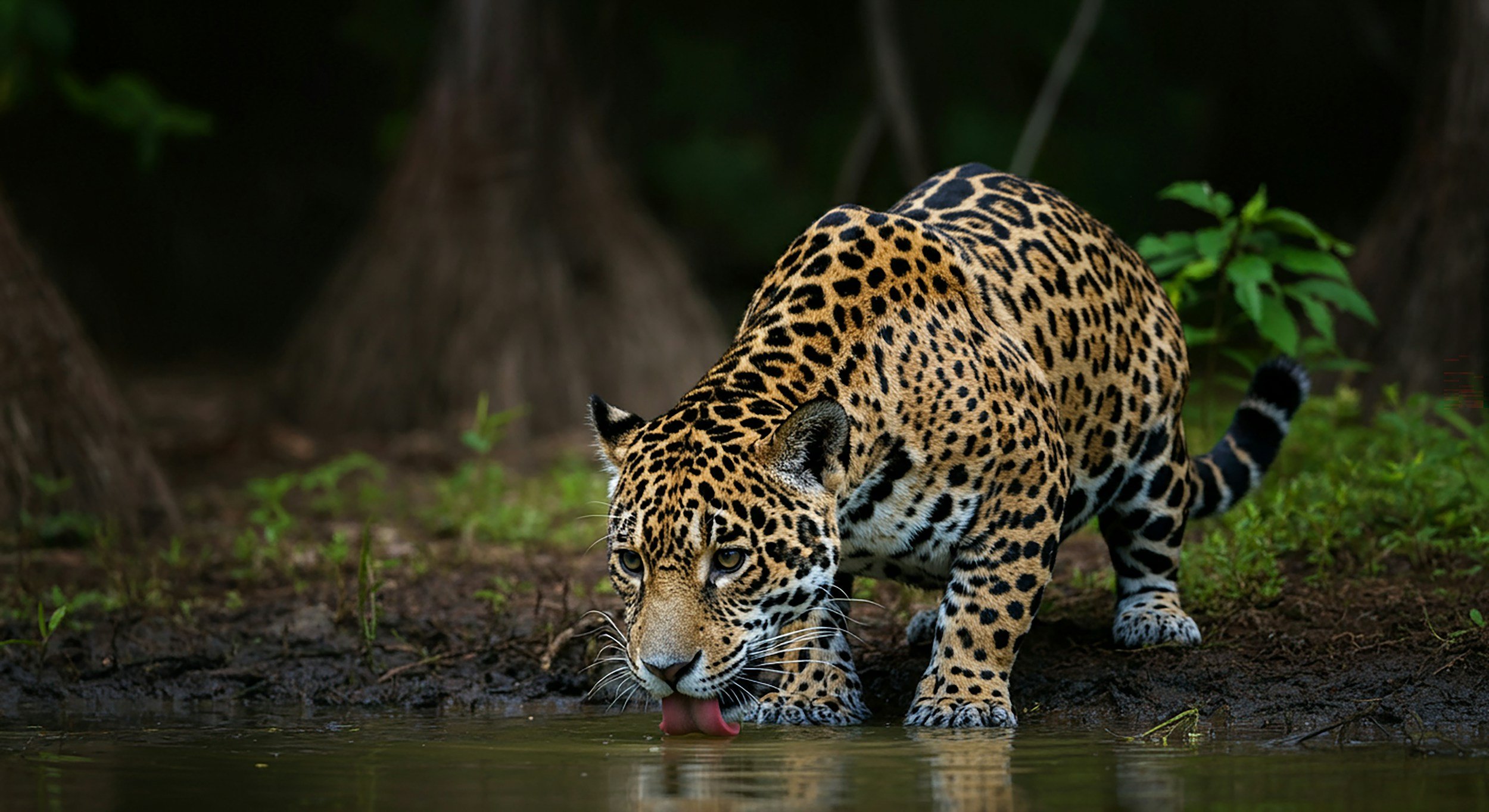
Jaguar
Colombia
Women for Conservation
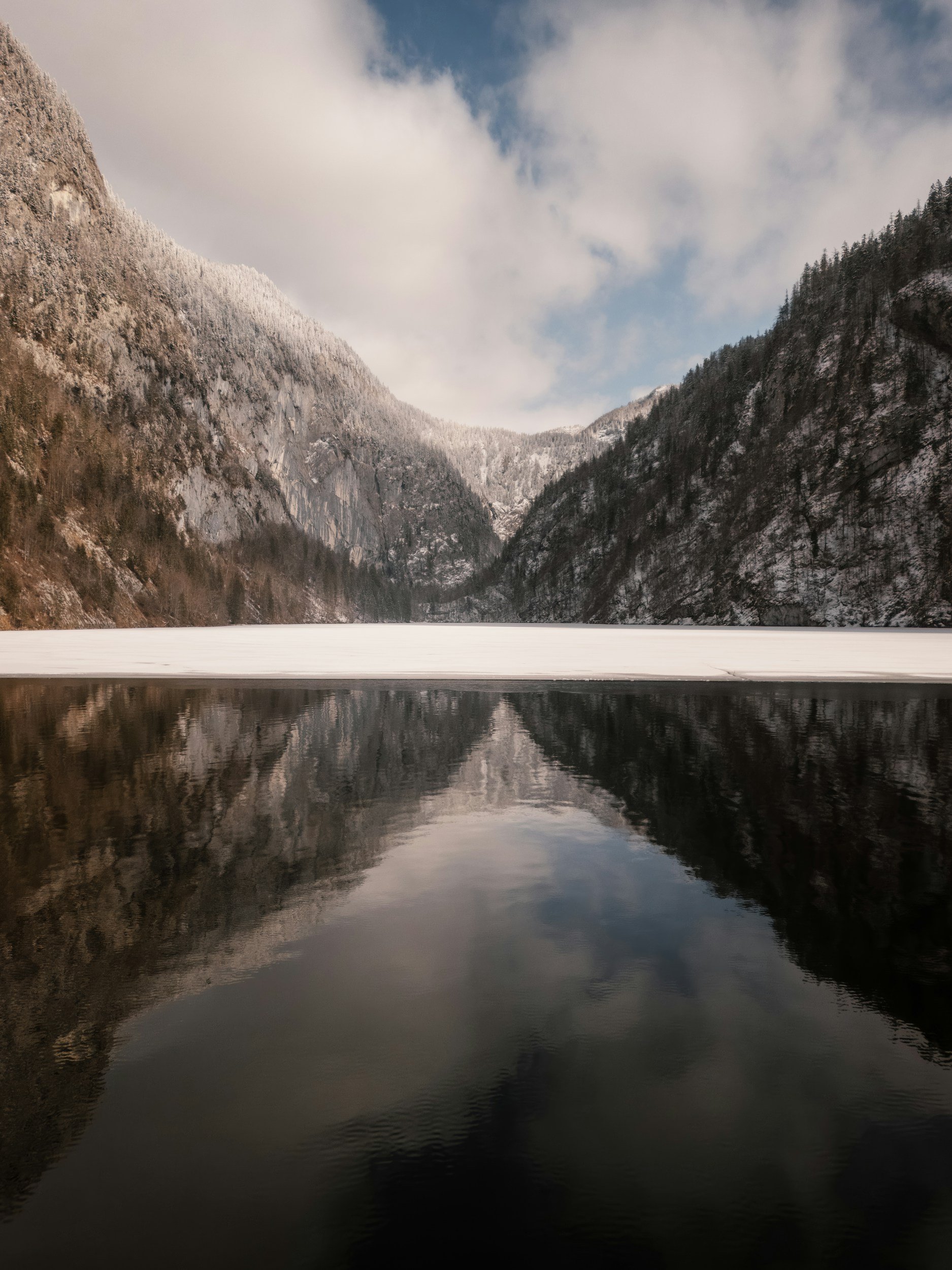
Midori Nicolson is a fisheries expert and works to ensure the thriving of Eulechon fish in the Kingcome inlet upon which her people depend for food. She works to protect the river from siltation and address climate change since the glacier above her home is melting. Midori’s work in her community can be supported through the Indigenous Climate Action in Canada and the Seventh Generation Fund for Indigenous Peoples.
Canada